


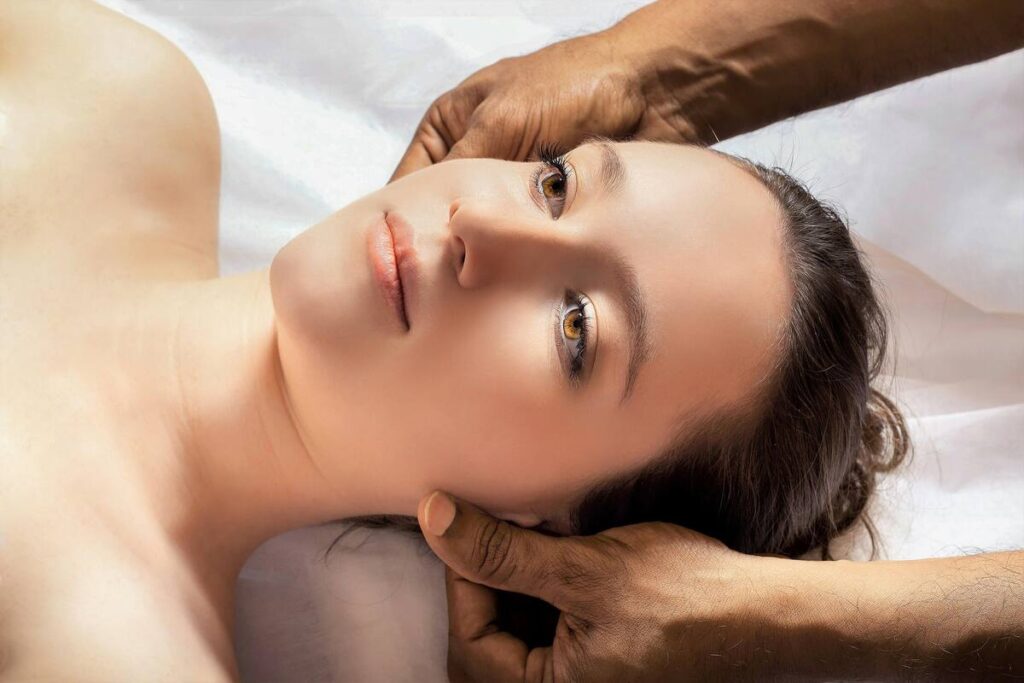
Finding a comfortable massage in Busan starts with separating three different needs: a women-only venue, a women-only bathing area, and treatment by a female therapist. These are not interchangeable, and a shared spa may meet one requirement without meeting the others. This article explains how to check privacy, compare treatments and prices, and book with clear expectations, using identifiable local venues as starting points rather than presenting them as verified women-only businesses. What do you need to consider about 부산토닥이.
What counts as a women-only massage in Busan?
A women-only massage should mean that the service or space is reserved for women, but that description alone does not confirm who provides the treatment. Before booking, ask separately about customer access, therapist gender, and privacy throughout the visit. Treat each answer as a booking condition rather than assuming that one promise covers everything.
This distinction matters especially when comparing massage studios with Korean bathhouses. The Korea Tourism Organization describes jjimjilbang facilities as having gender-separated changing rooms alongside shared areas where visitors wear provided clothing. A women’s changing room therefore does not make the entire business women-only.
Separate the venue, therapist, and treatment room
Use three checks when evaluating a listing. First, establish whether men can enter the business or any areas you will use. Next, confirm whether a female therapist will perform your particular treatment. Finally, ask how the room protects your privacy during changing and treatment.
| Your requirement | What to ask | What still needs clarification |
|---|---|---|
| Women-only premises | “Are all customer areas reserved for women?” | Reception, corridors, lounges, and treatment spaces |
| A female therapist | “Can you confirm a female therapist for my appointment?” | Whether this is guaranteed or only requested |
| A private room | “Will I have an individual room?” | Whether it has solid walls, a door, or curtains |
| Women-only bathing | “Which bathing and changing areas are women-only?” | Whether lounges and treatment areas are shared |
For example, a female therapist in a private room may suit someone who mainly wants comfortable one-to-one care. It may not suit someone who needs to avoid shared customer areas entirely. Neither preference needs a personal explanation; it simply needs an accurate answer from the business.
State your non-negotiable requirements first
Write down the conditions you would not compromise on before comparing photographs or packages. That might mean female treatment staff, no shared changing, or remaining clothed throughout the session. Keep this list short enough that you can send it in one message.
Then separate those conditions from preferences such as sea views, background music, or a particular oil. This makes decisions easier: reject an unsuitable setting before spending time comparing small extras. If the reply is vague, ask for clarification rather than interpreting silence as agreement.


Local venues to investigate without assuming women-only access
The businesses below illustrate different approaches to a spa visit: a jjimjilbang, a hot-spring facility, a hotel treatment spa, and a massage studio. Their published information provides useful starting points, but it does not establish that each offers an entirely women-only experience. Check your exact requirements directly before paying or travelling.
SPA LAND Centum City
SPA LAND is inside Shinsegae Centum City. Its official page describes hot-spring baths, themed sauna facilities, relaxation spaces, and aesthetic treatments for areas including the face, body, scalp, and feet. Published admission is KRW 26,000 for adults for up to four hours, with additional-time conditions listed separately.
Consider it if you want to investigate a broader bathing-and-resting visit rather than book only a massage. Ask which treatment services are currently available, where they take place, and whether a female practitioner can be confirmed. Do not treat general admission as confirmation of a hands-on treatment.
If avoiding men throughout the visit is essential, request an explanation of the route between reception, changing, bathing, treatment, and resting areas. A floor plan may be more useful than a general assurance about privacy. Decide whether the available arrangement meets your needs before purchasing admission.
Hurshimchung in Dongnae
Hurshimchung is a hot-spring facility in Dongnae, listed by the Korea Tourism Organization at 32 Oncheonjang-ro 107beon-gil. The listing describes multiple bathing options and a jjimjilbang, with adult hot-spring admission published at KRW 15,000 on weekdays and KRW 18,000 on weekends and public holidays. These are admission prices, not quoted massage prices.
Use it as a starting point if bathing is your main interest. Before adding a treatment, ask whether that service is available, whether it requires a separate reservation, and how the provider handles therapist preferences. Confirm the treatment cost independently of the entrance fee.
Also distinguish the bathing environment from any shared facilities. Ask staff to identify the women-only spaces and explain whether you can complete your preferred visit without using shared lounges. Choose a different format if the answer does not match your privacy requirements.
Ocelas Spa at Park Hyatt Busan
Park Hyatt Busan’s official website identifies Ocelas Spa within Lumi Spa & Fitness in Marine City. The hotel lists seven treatment rooms, including two couples’ rooms, and publishes a direct spa contact. The page does not establish a women-only customer policy or guarantee female therapists.
This is an option to investigate when you want an individual treatment appointment rather than a communal bathhouse visit. Request confirmation of an individual room, therapist gender, and the facilities included with your reservation. Ask whether non-resident guests can book the service you want.
Don’t assume the hotel setting covers every detail. If an English-speaking consultation matters, ask whether support is available during the appointment, not just when exchanging booking messages. The person confirming the reservation may not be the person delivering treatment.
Foot Comfort Massage near Haeundae Beach
Foot Comfort Massage publishes a location in the Pale de Cz shopping arcade near Haeundae Beach. Its website lists foot-and-calf, full-body, and aroma services, and states that both male and female therapists work there. It asks customers to communicate therapist preferences when booking, so it should not be described as women-only.
This provides a concrete starting point if your main requirement is a female practitioner rather than an exclusively female customer environment. Ask whether the preference can be guaranteed for your chosen appointment. Clarify whether the advertised private space uses a door or curtains.
If you are comparing it with a hotel spa, compare the actual service rather than the business category. Look at hands-on treatment time, room privacy, communication, and the final payable price. Choose according to the conditions you have confirmed, not the impression created by a listing photograph.
Which treatment should you choose?
Choose a treatment according to what you want to experience, how much pressure you prefer, and how comfortable you are with clothing changes, oils, and shared facilities. Ask the provider to describe the appointment in plain language before choosing a package. A familiar treatment name isn’t enough to define its exact content.
For a first appointment, try writing one clear goal: “I want a quiet, gentle session,” or “I want attention on my feet rather than a full-body treatment.” This gives the provider something useful to respond to. It also helps you avoid paying for extras that do not support your main reason for visiting.
Foot and lower-leg treatments
A foot-focused appointment is worth considering if you want a limited treatment area and don’t want to commit to a full-body session. Ask whether the service covers only the feet or also the calves, knees, or thighs. Confirm the seating or lying position and whether you will need to change clothes.
Find out how the advertised time is divided. If a package includes soaking, preparation, and massage, ask how much time is spent on each. Someone who wants hands-on care may prefer a different balance from someone who mainly wants a quiet seated break.
Give specific instructions about areas to avoid. “Please do not work above my knees” is clearer than “I prefer a modest treatment.” Written boundaries are especially useful when you do not share a fluent language with the practitioner.
Oil and aroma treatments
For any oil-based session, ask which products will touch your skin and whether a fragrance-free option is available. Explain known sensitivities before the appointment rather than waiting until a product has been applied. Ask how the practitioner will cover areas that are not being treated.
Don’t choose solely based on a label such as “luxury aroma.” Request a description of the body areas included, expected pressure, and any optional additions. Then decide whether you want a simple massage or a longer package with other services.
Plan around your own comfort afterwards. Ask whether shower facilities are available and whether using them changes the appointment time or price. Bring clothing you will feel comfortable wearing after treatment rather than assuming every product will be removed before you leave.
Thai-style and stretching-based sessions
If a studio advertises Thai massage, ask it to explain whether the session includes assisted stretching, compression, oils, or a combination. Confirm what clothing is worn and whether the treatment takes place on a mat or table. Avoid selecting the treatment based only on a description such as “authentic.”
Be explicit about stretching preferences. You can request no assisted stretching, no joint manipulation, or a gentler session without having to defend that choice. If the provider cannot explain how it will adapt the appointment, consider another service.
Similarly, do not use nationality or gender as a substitute for information about training. Ask about the practitioner’s experience with the actual technique you are considering. The relevant question is whether the service can be delivered appropriately for you.
Body scrubs, facials, and combined packages
A scrub and a massage serve different purposes, so ask the provider to distinguish them within a package. For a scrub, request details about washing, exposure, products, and whether other customers will be nearby. For a facial, explain any products or procedures you do not want.
With combined packages, ask for a time breakdown rather than accepting only the total duration. A two-hour booking could allocate substantial time to services you did not intend to prioritise. Choose the package only after understanding what each part involves.
For example, if you mainly want back massage, ask how much of a face-and-body appointment is devoted to the back. If your priority is privacy, clarify whether changing services also means changing rooms or practitioners. More components don’t automatically make a visit better.
Compare locations around your actual itinerary
Start your location search with the venue examples rather than assuming every neighbourhood offers the same facilities. SPA LAND is in Centum City, Ocelas Spa is in Marine City, Foot Comfort lists a Haeundae Beach location, and Hurshimchung is in Dongnae. These place names help organise your shortlist, but they are not evidence that an area is women-only or especially safe.
Once you have a shortlist, check the journey from where you will actually be before the appointment. A studio close to your hotel may be inconvenient if you are spending that day elsewhere. Equally, a service near an attraction may create an unnecessary return trip if your plans change.
Use the following details to compare two otherwise suitable choices:
- The complete route: Check the walk from transport, the building entrance, the floor, and any stairs or lift access.
- The appointment finish: Leave room for changing, payment, and a calm departure rather than scheduling your next activity at the treatment’s advertised end time.
- The return journey: Decide how you will get back before choosing a late appointment.
- The meeting point: If travelling with others, agree where to reunite if the visit involves separate facilities.
- Your belongings: Ask about luggage storage rather than assuming a treatment room can accommodate a suitcase.
Save the business name and address in the form supplied by the venue, including Korean text if available. Keep a screenshot that includes the building name and unit number. This is a practical backup if your connection is poor or a map result points to the wrong entrance.
If accessibility matters, describe the specific requirement: step-free entry, room to transfer, an accessible toilet, or help navigating changing facilities. Ask for photographs or measurements when those would help you decide. A broad statement that a venue is “accessible” may not answer your particular question.
Understand prices before comparing value
Compare prices only after confirming what you are buying. Admission to a bathhouse, a foot treatment, and a private face-and-body package are different services. A useful comparison starts with the total price, hands-on treatment time, room arrangement, and any conditions attached to the rate.
The published examples below illustrate those differences. These are planning references, not guaranteed quotes or average prices for Busan women-only massages. Reconfirm the amount for your chosen date, treatment, and payment method.
| Published example | Listed price | Important limitation |
|---|---|---|
| SPA LAND adult admission | KRW 26,000 | Admission for up to four hours; not a massage quote |
| Hurshimchung adult hot-spring admission | KRW 15,000 weekday; KRW 18,000 weekend or public holiday | Bathing admission, not a massage package |
| Foot Comfort 60-minute foot session | KRW 50,000 | Published as a cash-special rate |
| Ocelas “Welcome to OCELAS,” 90 minutes | KRW 330,000 weekday; KRW 352,000 weekend | Combined facial-and-back package; public-holiday conditions apply |
These amounts come from the operator or official tourism listings. Ocelas states that its published prices include tax, while Foot Comfort asks customers to check card prices and cash-special conditions.
Ask for the full payable amount
Request a written total rather than asking only, “How much is one hour?” Specify the service, appointment date, number of people, and payment method. Ask whether the quote includes taxes, admission where required, and every component you have selected.
Then clarify anything that could change the bill. Ask about optional products, upgrades, extra time, and whether you must approve additions before they begin. If a package is discounted, establish which conditions apply to that particular rate.
Keep currency comparisons simple. Budget in Korean won first, then check the equivalent in your home currency using your own payment provider’s information. Don’t rely on an old travel review’s converted price as what you should expect to pay.
Compare value without equating price and quality
Use your confirmed requirements as the basis for value. A less expensive service is not a bargain if it lacks the privacy you need. A more expensive package isn’t automatically worthwhile if you don’t want half its components.
Consider two hypothetical appointments: one gives you a focused session in an acceptable room; another includes several extras but leaves therapist availability uncertain. If a female practitioner is essential, the first may better meet your needs. The key difference is the confirmed service, not the package size.
Avoid broad claims that Busan is cheaper or better than another Asian destination. Compare specific appointments with equivalent duration, facilities, and privacy arrangements. Without those details, an international price comparison tells you very little about the experience you will receive.
How do you book female massage therapists with confidence?
Book confidently by putting your essential conditions in writing, asking the venue to confirm them explicitly, and saving the reply. Include therapist gender, room privacy, treatment details, final price, and cancellation terms. Do not treat an automated booking receipt as confirmation of a separate request unless that request appears in the confirmed details.
This process does not require a long conversation. A short message with specific questions is easier to answer than a general request for something “comfortable and professional.” If the business cannot meet a condition, you can move on before committing money or time.
Step 1: Send a complete first enquiry
Include enough information for the provider to check a real appointment rather than respond with a general menu. State your preferred date, approximate time, service, and number of guests. Mention essential conditions before asking about optional extras.
You can adapt this message:
Hello. I would like to book a 60-minute massage for one person on [date] at [time]. I require a female therapist and an individual treatment room. Please confirm whether both are available, whether any customer areas are shared with men, the full price in Korean won, and the cancellation policy. I would also like [light/medium] pressure and no treatment of [areas].
If women-only premises are essential, place that requirement first. Do not expect the venue to infer it from your request for a female therapist. Ask for a direct answer about reception, changing, treatment, and any lounge you would use.
Step 2: Clarify language support
Ask what communication will be possible during treatment. If the practitioner does not speak your language, agree on simple instructions before starting. A translation app can help, but keep important messages short and literal.
Prepare a small note with instructions such as:
- “Please use lighter pressure.”
- “Please do not massage this area.”
- “Please explain before changing the treatment.”
- “Please stop now.”
Show the note during the consultation and confirm that the practitioner understands it. For stopping, agree on a clear spoken word or hand signal. This avoids depending entirely on a phone once you are lying down.
Avoid combining several requirements into one complicated translated sentence. Send therapist, privacy, product, and pressure questions separately if necessary. Review the reply for each point rather than accepting a general “yes” to an entire paragraph.
Step 3: Read the reservation conditions
Before sending a deposit, check the appointment details and identify who is receiving the payment. Ask how the deposit is credited, when cancellation becomes chargeable, and what happens if the provider cannot supply the confirmed therapist. Save the terms alongside your receipt.
Ask about late arrival too. You need to know whether arriving late shortens treatment, cancels the appointment, or changes the charge. Choose a time that gives you enough margin for an unfamiliar journey.
Do not let a limited-time offer push you past an unanswered essential question. If the room arrangement or therapist remains unclear, pause the booking. A small discount is not a reason to accept conditions you would otherwise reject.
Step 4: Reconfirm before the appointment
Send a brief confirmation close enough to the visit that the venue can recheck the appointment. Repeat the most important conditions, especially if you booked well ahead. Ask staff to contact you before making a change that affects those conditions.
Check the name, branch, address, and appointment time against your saved confirmation. If you booked for several people, verify each person’s arrangements rather than assuming one confirmation covers the group. Keep the venue’s contact details available during your journey.
Privacy and bathhouse etiquette
Privacy has several parts: who shares the space, what you are expected to wear, how your body is covered, and whether anyone else can see or enter the room. Ask about all four. A single appointment doesn’t answer every question about changing or moving through the building.
For a Korean bathhouse visit, distinguish the bathing area from the clothed communal areas. Lonely Planet’s bathhouse guidance explains that bathing areas are gender-separated, nudity is normal there, and visitors should wash before entering the communal baths. Ask your chosen venue about its rules before buying admission.
Decide your clothing boundaries in advance
If communal nudity is not acceptable to you, say so plainly and ask whether an alternative arrangement exists. Don’t assume a swimsuit will be permitted in a traditional bathing area. Choose a private treatment instead if the venue cannot offer an arrangement you are comfortable with.
For massage, ask what you will wear, what clothing the venue supplies, and how draping works. Request that the practitioner explain any proposed change before making it. You can decline a treatment area or component even after choosing a package.
Also ask where you will change. A private room during treatment is less useful to someone with strict privacy needs if changing happens elsewhere. Clarify whether staff knock before entering and whether the room is used by anyone else during your appointment.
Keep shared spaces respectful
Treat changing and bathing spaces as private environments. Keep your phone put away, avoid photographing others, and ask staff where device use is permitted. Arrange any meeting or check-in with companions before entering rather than making calls from a sensitive area.
Follow the venue’s instructions about washing, clothing, towels, and movement between areas. If you are uncertain, ask a staff member before proceeding. You do not need to understand every custom in advance, but you should be willing to follow clear guidance.
Ask about admission policies that could affect your visit, including tattoos, age restrictions, or specific changing-room access needs. Transgender and nonbinary visitors may wish to request a private explanation of the venue’s access arrangements before travelling. Seek an explicit response rather than relying on another visitor’s experience.
Assess professionalism and protect your comfort
Evaluate the appointment through observable details rather than reassuring adjectives. Look for a clearly identified business, a specific service description, understandable pricing, and answers that address your questions. These checks help you decide; they cannot guarantee the outcome of a visit.
The same principle applies to therapist gender. Female massage therapists may be an essential preference for you, but gender alone does not establish training, hygiene, or professional boundaries. Ask about the practitioner’s experience with the selected treatment and pay attention to how the business responds to reasonable requests.
Check the setting when you arrive
Before treatment begins, compare the actual arrangement with the confirmation. Check that the room, therapist, and service match what you booked. If anything differs, ask staff to fix it before you change clothes or start the session.
Useful details to notice include:
- Linen and surfaces: Ask for fresh coverings if you are unsure whether they have been changed.
- Product information: Check the oil or other product if you have a known sensitivity.
- Consultation: Make sure your requested pressure and excluded areas have been understood.
- Room access: Identify how to call staff and how you can leave the room.
- Changes to the service: Require an explanation and your agreement before accepting an upgrade or substitution.
If the arrangement is unsuitable, you can decline to proceed. Refer to your saved confirmation when discussing a mismatch. Follow up in writing if a payment dispute cannot be resolved at the desk.
Keep wellness separate from medical care
Treat a women’s wellness spa as an optional relaxation service, not a substitute for medical assessment. The US National Center for Complementary and Integrative Health advises against postponing healthcare because of massage and recommends discussing suitability with a healthcare professional when uncertain. It also notes that serious injuries, although rare, have been reported. (nccih.nih.gov)
If you are pregnant, recovering from surgery, managing a condition, or concerned about an injury, seek appropriate advice before booking. Explain relevant restrictions to the provider rather than asking the practitioner to diagnose the problem. Ask what training supports any specialised service being offered.
During treatment, speak up promptly about discomfort or unwanted contact. You can request lighter pressure, exclude an area, or stop altogether. Do not accept the idea that an uncomfortable experience must continue simply because you selected or prepaid for a package.
Plan the visit around one clear priority
A useful spa plan is built around the experience you actually want, not the maximum number of services you can fit into an afternoon. Choose one main priority and let it guide the appointment. Leave optional additions until the essential arrangements are settled.
The following examples are planning exercises, not claims about packages available at a particular business. Use them to decide what to ask for when contacting your shortlist.
A first massage with limited exposure
Prioritise a female therapist, a clearly defined treatment area, and an explanation of clothing requirements. A foot-focused or clothed service may be worth asking about if you want to limit changing. Confirm the exact arrangement rather than assuming the treatment name settles it.
Keep the appointment simple. Avoid adding a scrub, facial, or bathhouse admission unless you genuinely want those experiences. A shorter list of services makes it easier to understand what will happen and communicate boundaries.
A bathing-focused afternoon
Prioritise clear information about women-only bathing areas, clothing rules, and shared facilities. Decide whether you want to use a communal lounge before paying for access. Ask separately about any hands-on service you are considering.
Leave time to change and depart unhurried. If you are visiting with someone using different facilities, set a meeting time and place beforehand. Do not make the plan depend on having your phone available throughout the visit.
A private treatment with more detailed consultation
Prioritise an individual room, confirmed therapist arrangements, and communication support during the appointment. Send your preferences in advance and ask how they will be recorded. Choose a service whose contents are clear enough that you can explain what you are booking to someone else.
Allow space afterwards rather than rushing directly into another reservation. Review the bill before leaving, and ask about any item you don’t recognise. Keep your receipt and note the treatment details if you may want to book the same service again.
Choose the conditions, not just the label
The most useful approach to Busan women-only massages is to verify three things separately: who can enter the spaces you will use, who will provide treatment, and how privacy is maintained. Then compare the treatment contents, full price, and booking terms.
Start with a small shortlist and send the same clear enquiry to each venue. Book only when the answers meet your essential requirements. A suitable visit is one whose arrangements you understand and willingly accept—not simply one advertised with reassuring words.