


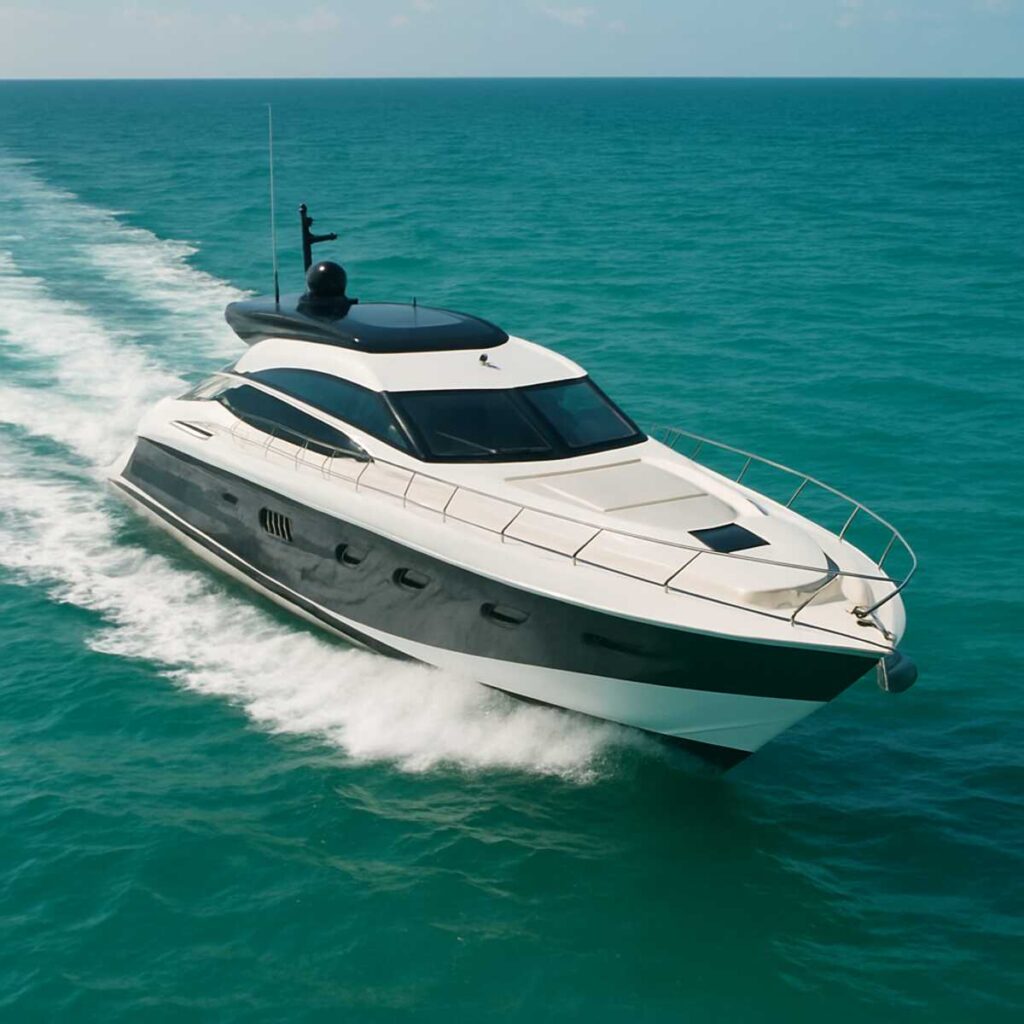
The open ocean has always represented the ultimate frontier of freedom, but experiencing it from the deck of a multi-million-dollar vessel transforms that frontier into a realm of unparalleled luxury. For decades, the yachting lifestyle has captivated the imaginations of entrepreneurs, celebrities, and visionaries. Today, the industry is evolving faster than ever. From cutting-edge sustainable technologies to bespoke architectural marvels that rival five-star hotels, luxury yachts represent the pinnacle of human engineering, design, and hospitality. Learn the best info about yates de lujo.
Whether you are an aspiring owner, a curious traveler looking into yacht rentals, or an enthusiast fascinated by maritime engineering, exploring the world of luxury yachts reveals a complex, fascinating industry. This comprehensive guide will take you deep into the mechanics, economics, and logistics of luxury cruising, leaving no stone unturned.
The Philosophy and Allure of Luxury Cruising
At its core, luxury cruising is about absolute autonomy. Unlike commercial cruises where you are bound to a strict itinerary and share spaces with thousands of strangers, a private yacht offers complete control over your environment, your schedule, and your experiences. You dictate the menu, the destination, and the pace of the journey.
This level of personalization requires a harmonious blend of spectacular engineering, meticulous design, and an elite crew dedicated to anticipating your every need. However, before you can step aboard and command your captain to set sail for the French Riviera, it is essential to understand the vessels themselves. The world of yachting is remarkably diverse, and choosing the right vessel is the first step toward a perfect maritime experience.
Understanding Yacht Types and Hull Designs
Not all yachts are created equal. The vessel you choose dictates where you can go, how fast you can get there, and how comfortable the journey will be. The first major distinction lies in the method of propulsion, followed closely by the architecture of the hull.
Motor Yachts vs. Sailing Yachts
Understanding the difference between motor yachts and sailing vessels is crucial for anyone entering the market.
- Motor Yachts: These are the most common vessels in the luxury sector. Powered entirely by massive diesel engines (and increasingly, hybrid systems), motor yachts offer immense interior volume, multiple decks, and a stable, smooth ride. They are designed for clients who prioritize space, luxury amenities like swimming pools and cinemas, and the ability to travel quickly regardless of wind conditions.
- Sailing Vessels: For the purist, nothing compares to the romance and thrill of a sailing yacht. While they also possess engines for maneuvering and backup, their primary propulsion comes from harnessing the wind. Sailing vessels offer a more authentic, engaged seafaring experience. However, they typically feature less interior volume due to the necessity of a sleeker, more aerodynamic profile and the space required for mast foundations and rigging.
Hull Dynamics and Performance
The shape of a yacht’s hull fundamentally alters its relationship with the water. When commissioning a build or selecting a charter, understanding displacement hulls vs planing hulls performance is essential.
- Displacement Hulls: These hulls push through the water rather than riding on top of it. Because they are designed to displace their own weight in water, they offer incredible stability, deep drafts, and the capacity to carry massive amounts of fuel and provisions. This makes them ideal for transoceanic, long-range cruising. The trade-off is speed; displacement yachts typically cruise at a leisurely 12 to 15 knots.
- Planing Hulls: Designed to rise up and glide on top of the water as speed increases, planing hulls are built for fast, exhilarating travel. Usually found on smaller superyachts and sport yachts, they can reach speeds exceeding 30 knots. They are perfect for island-hopping in the Bahamas or racing down the Amalfi Coast, though they consume significantly more fuel and offer a bumpier ride in rough seas.
- Semi-Displacement Hulls: Offering a middle ground, these hulls provide more interior space than a planing hull but can achieve higher speeds than a pure displacement hull, making them a popular choice for modern mid-sized superyachts.
The Art of the Build: Shipyards and Design
Creating a luxury yacht is a monumental undertaking, often taking anywhere from three to five years from the initial concept to the final delivery. The process is a beautiful marriage of heavy industrial engineering and delicate artisan craftsmanship.
Shipyard Craftsmanship
The high-end shipyard craftsmanship and build process is a testament to human ingenuity. Premium shipyards—primarily located in Northern Europe (Germany, the Netherlands) and Italy—employ generations of master shipbuilders.
The build begins with the hull, typically constructed from steel for strength and durability in displacement yachts, or marine-grade aluminum for lighter, faster vessels. Carbon fiber is also increasingly used to reduce weight in the superstructure. The process involves rigorous testing, including scaled models placed in hydrodynamic testing tanks to evaluate wake patterns and fuel efficiency before the first piece of steel is ever cut.
Bespoke Naval Architecture
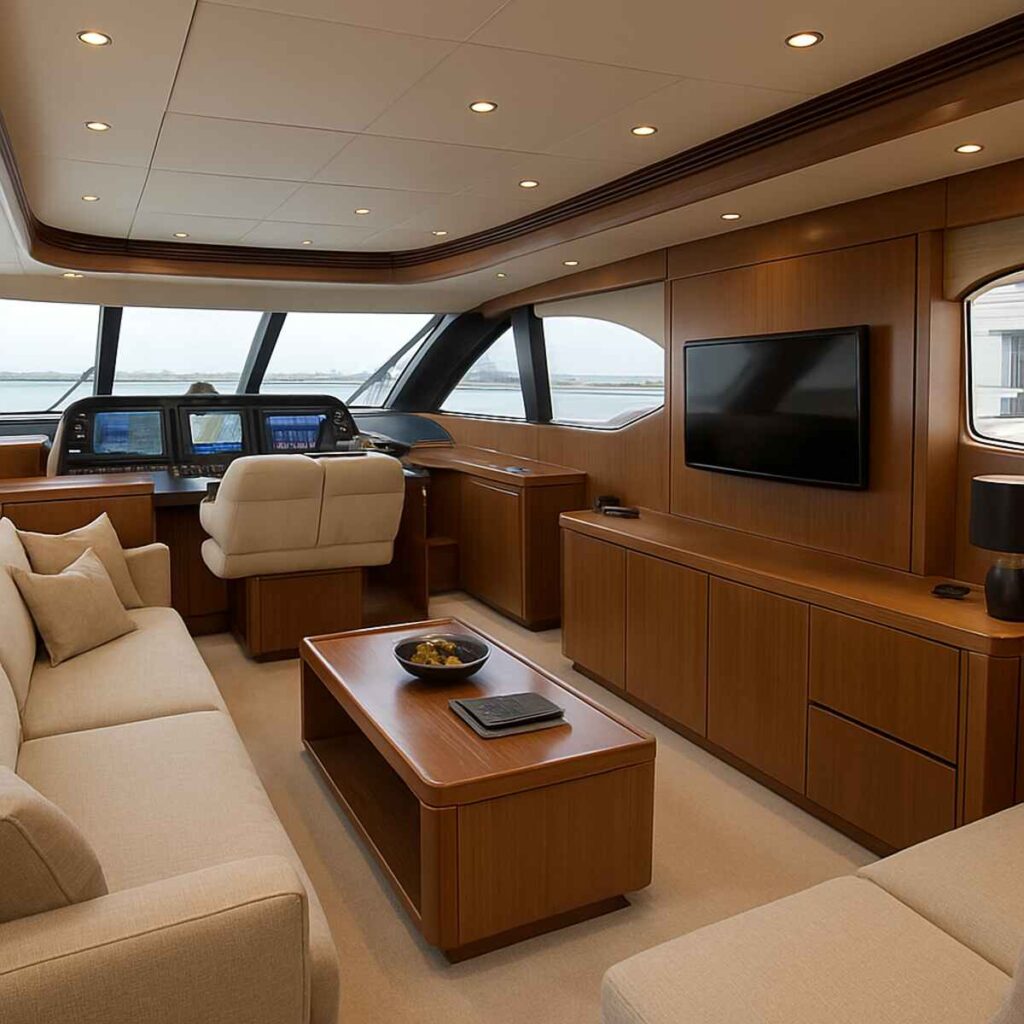
A yacht is essentially a self-sustaining floating city, which makes custom naval architecture and interior design incredibly complex. Naval architects must calculate weight distribution, fluid dynamics, and structural integrity, ensuring the vessel is safe in extreme weather conditions.
Interior designers, on the other hand, face the unique challenge of creating ultra-luxurious spaces that must withstand the harsh marine environment.
- Materials: Exotic woods, rare marbles, and bespoke leathers are used extensively. However, every material must be treated to resist high humidity, salt air, and constant motion.
- Space Utilization: Every square inch matters. Hidden storage, multi-functional furniture, and seamless integration of complex wiring and plumbing behind beautiful bulkheads require meticulous planning.
- Acoustics: A major hallmark of a premium yacht is silence. Designers and engineers use advanced acoustic insulation techniques to ensure that the roar of the massive engines and generators does not disturb the guests sleeping in the master stateroom.
The Technological and Environmental Revolution
The marine industry is undergoing a massive technological shift. Today’s luxury yachts are smarter, safer, and increasingly more respectful of the oceans they traverse.
Modern Navigation and Electronics
Gone are the days of navigating purely by paper charts and compasses. Modern marine electronics and navigation technology have transformed the bridge of a yacht into something resembling a spacecraft’s control room.
- Integrated Bridge Systems (IBS): These systems consolidate radar, GPS, sonar, and electronic chart display and information systems (ECDIS) into a series of sleek, touch-screen interfaces.
- Dynamic Positioning (DP): This GPS-linked technology allows a yacht to maintain a precise location and heading using its thrusters and propellers without dropping an anchor. This is particularly vital when visiting protected marine reserves where anchors could damage fragile coral reefs.
- Advanced Communications: VSAT satellite domes ensure that guests have high-speed internet access, allowing for seamless video conferencing, streaming, and global communication, even when crossing the Atlantic.
Eco-Friendly Innovations
Historically, luxury yachts were notorious for their heavy carbon footprints. Today, owners and builders are deeply committed to reducing environmental impact of marine tourism.
- Hybrid Systems: The implementation of sustainable hybrid propulsion systems is the most significant leap forward. By combining traditional diesel engines with massive battery banks and electric motors, yachts can now cruise silently and emission-free for short durations. This “silent mode” is not only environmentally friendly but vastly improves the guest experience by eliminating engine noise and exhaust fumes.
- Wastewater Treatment: Modern superyachts feature advanced onboard biological water treatment plants, ensuring that any water discharged back into the ocean is immaculately clean.
- Sustainable Materials: Builders are increasingly utilizing ethically sourced synthetic teak decking (which prevents deforestation) and non-toxic antifouling paints to protect marine ecosystems.
Ownership versus Chartering: Making the Right Choice
The allure of yachting is undeniable, but gaining access to this world requires a significant financial strategy. The path you choose depends entirely on your capital, your free time, and your ultimate goals.
Full Acquisition vs. Fractional Ownership
For many, the ultimate dream is to commission or purchase a vessel outright. Full ownership offers total control. The yacht is customized entirely to your tastes, your belongings remain onboard, and it is available to you 365 days a year. However, it also means bearing 100% of the operational responsibilities and costs.
If you only plan to spend a few weeks a year on the water, fractional ownership versus full vessel acquisition is a debate worth having.
- Fractional Ownership: In this model, you purchase a share of a yacht (typically a quarter or a fifth). You are guaranteed a set number of weeks per year, and all maintenance, crew, and docking fees are split evenly among the owners. It provides the pride of ownership and consistency of the same vessel and crew, without the monumental capital outlay of sole ownership.
Yacht Rentals and Chartering
For those who want zero liability, yacht rentals (chartering) remain the most popular avenue. Chartering allows you to experience a different yacht in a different part of the world every year.
If you are wondering how to book a private sea expedition, the process is highly curated and typically managed by a specialized retail charter broker.
- Selecting a Broker: You begin by finding a reputable charter broker (often through associations like MYBA). The broker acts as your advocate, finding vessels that match your group size, aesthetic preferences, and budget.
- The Preference Sheet: Once a yacht is secured, you will fill out a highly detailed preference sheet. This document covers everything from your dietary requirements and favorite wines to the types of flowers you want in your cabin and the activities you wish to do.
- The APA (Advance Provisioning Allowance): When you charter a yacht, you pay the base fee plus an APA, which is typically 25% to 30% of the charter fee. This fund is given to the captain before you arrive to purchase fuel, food, dockage, and alcohol. At the end of the trip, you are refunded any unspent money, or billed if the expenses exceeded the allowance.
The Financial Realities: Purchase and Upkeep
Whether you buy a pre-owned 30-meter yacht or commission a 100-meter megayacht, the initial purchase price is only the beginning of the financial journey. The old maritime adage says that a boat is a hole in the water you pour money into, and in the superyacht sector, this is exponentially true.
Understanding Maintenance Costs
The golden rule of yachting is the “10% rule.” The average annual maintenance costs for superyachts reliably hover around 10% of the vessel’s original purchase price. If you purchase a $50 million yacht, you must budget approximately $5 million per year just to keep it running.
Where does this money go?
- Crew Salaries: A highly trained crew demands premium compensation. This is often the largest single operational expense.
- Dockage and Marina Fees: Securing a prime berth in a prestigious marina can cost thousands of dollars per night during peak season.
- Fuel: A massive motor yacht can hold upwards of 100,000 liters of diesel. Filling the tanks can easily cost a small fortune.
- Insurance: Comprehensive marine insurance covering the hull, machinery, and liability is mandatory and expensive.
- Refits and Maintenance: Saltwater is highly corrosive. Yachts require constant cleaning, engine servicing, and mandatory classification surveys. Furthermore, owners typically undertake a major aesthetic and mechanical refit every five to ten years to maintain the yacht’s value and charter appeal.
The Backbone of the Yacht: Crew and Operations
A luxury yacht is only as good as the team that runs it. The level of service expected on a superyacht rivals that of a Michelin-starred restaurant combined with a luxury boutique hotel, all while operating a highly complex piece of heavy machinery in unpredictable oceans.
Key Crew Positions
Understanding the essential crew roles on a large vessel highlights just how much labor goes into a seamless vacation.
- The Captain: The absolute authority on board. The captain is responsible for the safety of everyone on board, navigation, legal compliance, and managing the entire crew and vessel budget.
- The First Officer: The captain’s right hand, responsible for deck operations, safety equipment, and managing the exterior crew.
- Chief Engineer: Operates in the bowels of the ship, ensuring the engines, generators, HVAC systems, and watermakers run flawlessly. A yacht cannot leave the dock without a competent engineer.
- Chief Stewardess: The head of the interior department. She manages the hospitality side, from pouring vintage wines and setting elaborate tablescapes to ensuring the housekeeping is invisible and immaculate.
- Executive Chef: Culinary expectations on superyachts are astronomical. The chef must be capable of sourcing local ingredients in remote ports and creating bespoke, world-class meals that cater to complex dietary restrictions.
- Bosun and Deckhands: Responsible for the exterior maintenance (the endless washing and polishing), driving tenders, and facilitating water sports.
Crew Sizing and Ratios
The size of the vessel dictates the size of the crew. For example, if you are looking at mid-to-large-scale vessels, you might ask: exactly how many crew members are needed for a 50 meter vessel?
For a 50-meter (approx. 164-foot) yacht, you typically require between 9 to 12 full-time crew members. This generally breaks down to a Captain, a Chief Engineer, a Second Engineer, a First Officer, a Bosun, two Deckhands, a Chief Stewardess, two to three junior stewardesses, and an Executive Chef. This ratio ensures that there is 24/7 service, proper rotational watchkeeping on the bridge, and enough manpower to deploy heavy water toys safely.
Premier Destinations: Navigating the Mediterranean
While the Caribbean, the South Pacific, and the icy fjords of Antarctica are immensely popular, the Mediterranean remains the undisputed spiritual home of luxury yachting. Summer in the Med is a vibrant tapestry of culture, gastronomy, and high-society events.
Finding a place to park your floating mansion is a competitive sport. Securing a spot in the best marinas for Mediterranean cruising requires months of advance booking.
- Port Hercules, Monaco: The epicenter of global wealth. Berthing here during the Monaco Grand Prix or the Monaco Yacht Show is the ultimate status symbol. The marina offers incredibly deep water and can accommodate the largest megayachts in the world.
- Marina Grande, Capri, Italy: Tucked away on the glamorous island of Capri, this marina offers breathtaking views of the cliffs. It is famously exclusive and highly sought after by those cruising the Amalfi Coast.
- Porto Cervo, Sardinia, Italy: Developed by the Aga Khan in the 1960s, the Costa Smeralda is a haven for the global elite. The marina at Porto Cervo is surrounded by designer boutiques and ultra-exclusive nightclubs.
- Ibiza Magna, Spain: For those looking for vibrant nightlife and world-renowned DJs, Ibiza Magna offers prime real estate right at the foot of Dalt Vila, the island’s historic old town.
The Practicalities of Ocean Travel: Laws and Wellbeing
While yachting is deeply associated with luxury, it is still subject to the uncompromising laws of nature and international governance. Leaving territorial waters brings a host of legal and physical considerations.
Maritime Law and Compliance
The oceans are not lawless. In fact, international maritime laws for private vessels are complex and strictly enforced.
- Flag State: Every yacht must be registered to a specific country, known as its “flag state” (common ones include the Cayman Islands, Marshall Islands, and Malta). The yacht is subject to the laws and tax regulations of that flag state.
- SOLAS and MARPOL: Yachts must comply with the Safety of Life at Sea (SOLAS) convention, which dictates fire safety, life-saving appliances, and construction standards. They must also adhere to MARPOL, the International Convention for the Prevention of Pollution from Ships, which regulates how waste and emissions are handled.
- Port State Control: When a yacht enters a foreign port, local authorities have the right to board and inspect the vessel to ensure it meets international safety and environmental standards. Failure to comply can result in the vessel being detained.
Overcoming the Elements
Even the most luxurious vessel in the world is subjected to the motion of the ocean. For some guests, this can trigger seasickness, which can quickly ruin a highly anticipated vacation.
Fortunately, managing motion sickness on open ocean voyages has become much easier thanks to both technology and practical protocols.
- Gyroscopic Stabilizers: Most modern luxury yachts are fitted with zero-speed stabilizers (either fins extending from the hull or massive internal gyroscopes). These computerized systems drastically reduce the side-to-side roll of the yacht, both underway and while at anchor.
- Location Matters: If you are prone to motion sickness, request a cabin on the lower deck, as close to the center (midships) of the yacht as possible. This is the natural pivot point of the vessel and experiences the least amount of movement.
- Practical Remedies: Hydration is key. Staying above deck in the fresh air and keeping your eyes fixed on the horizon helps your brain reconcile the motion your inner ear is feeling. Non-drowsy medications, scopolamine patches, and acupressure wristbands are also highly effective when administered before the yacht hits rough water.
Conclusion
Exploring the world of luxury yachts reveals an industry that is far more than just surface-level glamour. It is a highly sophisticated ecosystem driven by groundbreaking marine engineering, uncompromising artisan craftsmanship, and a relentless pursuit of perfection in hospitality.
Whether you are navigating the intricate decisions of fractional ownership, calculating the exact crew needed for a 50-meter build, or researching eco-friendly propulsion systems, the yachting world demands attention to detail. Yet, for all its complexities, the reward is unmatched. To stand on the teak deck of a luxury yacht, surrounded by the vast expanse of the open ocean with no itinerary but your own imagination, is to experience the very pinnacle of freedom and luxury.
As the industry continues to evolve—embracing greener technologies and pushing the boundaries of custom naval architecture—the future of luxury cruising promises to be even more spectacular, accessible, and respectful of the beautiful oceans that make it all possible.