

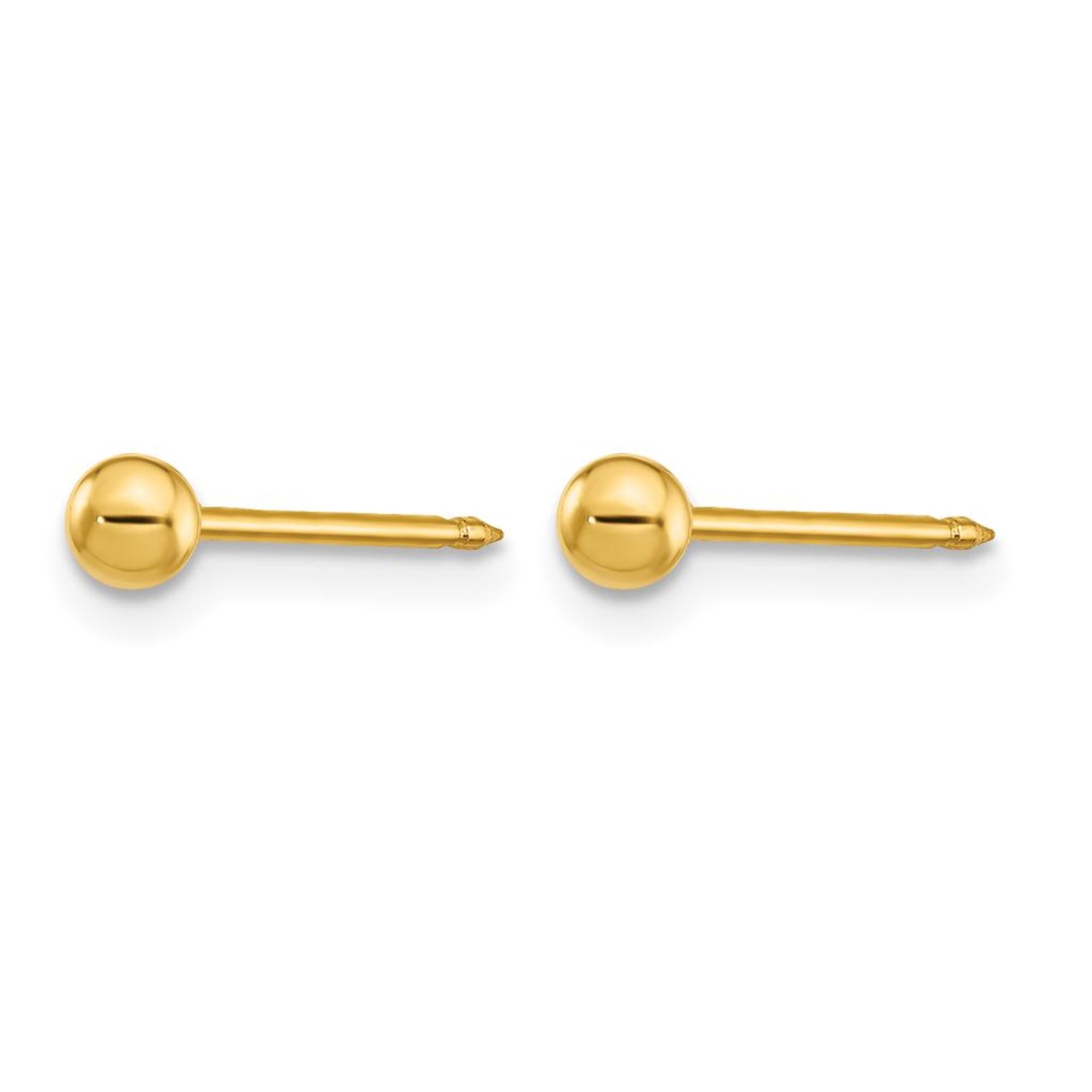
Minimalist gold jewelry has become a defining feature of contemporary fashion, combining understated elegance with the enduring appeal of precious metals. Among the most intriguing developments in fine jewelry is the growing interest in under 1g 18K minimalist gold jewelry. These exceptionally lightweight pieces offer a refined appearance, making them attractive to individuals who prefer delicate necklaces, subtle rings, small earrings, and barely-there bracelets. Find out the best info about moonamo.
However, one important question arises before purchasing such jewelry: Is under 1g 18K minimalist gold durable enough for daily wear?
The answer depends on several factors, including gold purity, alloy composition, jewelry design, metal thickness, manufacturing quality, and everyday activities. Although 18K gold is widely valued for its balance of purity and practical strength, jewelry weighing less than one gram presents particular durability considerations.
This comprehensive guide examines the physical properties of 18K gold, the structural limitations of ultra-lightweight jewelry, its suitability for everyday activities, and the maintenance practices that can help preserve delicate gold accessories over time.
Understanding Under 1g 18K Minimalist Gold Jewelry
What Does Under 1g 18K Gold Mean?
The expression under 1g 18K gold describes a jewelry item made from 18-karat gold that weighs less than one gram.
Gold purity is measured in karats, with 24K representing approximately pure gold. An 18K gold alloy contains 75% gold by mass, while the remaining 25% consists of other metals selected to influence its color, hardness, and working characteristics.
These additional metals may include silver, copper, palladium, and other suitable alloying elements.
The composition of 18K gold can be summarized as follows:
| Gold type | Gold content | General characteristics |
| 24K gold | Approximately 99.9% or higher | Very pure, relatively soft |
| 22K gold | 91.7% | High purity, relatively malleable |
| 18K gold | 75% | Fine-jewelry purity with improved alloy strength |
| 14K gold | 58.3% | Often more resistant to deformation, depending on alloy |
| 10K gold | 41.7% | Lower gold content, properties depend on composition |
A piece weighing 0.8 grams and made entirely from solid 18K gold alloy contains approximately 0.6 grams of pure gold by mass.
The remaining 0.2 grams consists of alloying metals.
Importantly, the designation under 1g refers to the total weight of the jewelry item, not necessarily the amount of pure gold it contains.
What Makes Minimalist Gold Jewelry Different?
Minimalist jewelry emphasizes simplicity, refined proportions, and visual restraint. Instead of large gemstones, heavy chains, or elaborate decorative structures, minimalist designs typically feature clean lines and subtle details.
Common examples include:
- Ultra-thin gold bands and stacking rings.
- Fine gold chains with small pendants.
- Petite stud earrings.
- Delicate geometric charms.
- Lightweight gold bracelets.
- Small hoop earrings and simple ear cuffs.
These designs are particularly attractive because they complement everyday clothing without dominating an outfit.
A small 18K gold pendant can look elegant with office attire, while a thin gold ring can provide a sophisticated finishing touch to casual clothing.
However, the minimalist approach also introduces an important engineering challenge: reducing the quantity of metal can reduce the structural strength of the finished jewelry.
The relationship between weight and durability therefore deserves careful consideration.
Is Under 1g 18K Gold Actually Durable?
The Short Answer
Yes, under 1g 18K minimalist gold jewelry can be durable enough for everyday wear, provided the design is structurally sound and the wearer handles the item appropriately.
Nevertheless, it is important to distinguish between the durability of the gold alloy and the durability of the finished jewelry.
An 18K gold alloy may have suitable mechanical properties for fine jewelry, but an extremely thin chain or hollow ring can still bend, stretch, or break under relatively modest force.
In other words, 18K gold is not automatically fragile, but an ultra-lightweight 18K jewelry design may be fragile.
Why Jewelry Weight Matters
Jewelry weight provides an indication of the quantity of material used in a piece. However, weight alone cannot establish durability.
Consider two pieces of jewelry, each weighing 0.7 grams.
The first is a compact pair of solid gold stud earrings. The second is a long, extremely thin necklace.
Although both items contain the same total mass of metal, their resistance to damage may differ substantially.
The earrings concentrate their material within relatively small components, while the necklace distributes its metal across a much greater length.
As a result, the necklace may have very thin links that are vulnerable to pulling, twisting, and repeated mechanical stress.
This demonstrates why metal distribution, cross-sectional thickness, and construction quality matter more than total weight alone.
How Strong Is 18K Gold?
Pure gold is comparatively soft and highly malleable. Alloying it with other metals can improve hardness, strength, and wear resistance.
However, the mechanical properties of 18K gold are not identical across every jewelry product.
They depend on factors such as:
- The specific alloy formulation.
- Whether the gold is yellow, white, or rose.
- Casting, fabrication, or other manufacturing methods.
- Cold working and heat treatment.
- The presence of soldered joints.
- The dimensions and shape of the finished item.
Some 18K alloys are considerably harder than others.
Therefore, a statement such as “all 18K gold jewelry has the same strength” would be technically inaccurate.
Gold purity provides useful information, but it does not fully describe mechanical performance.
How Jewelry Design Influences Durability
Solid Gold Versus Hollow Gold Construction
One of the most important considerations when evaluating under 1g minimalist gold jewelry is whether the item uses solid or hollow construction.
Solid gold jewelry contains gold alloy throughout the metal components. Hollow gold jewelry uses thin metal walls surrounding an internal space.
Both construction methods can produce attractive jewelry, but their mechanical behavior differs.
Solid gold construction generally offers greater resistance to local crushing and deformation when compared with a hollow component of similar external dimensions.
A solid 18K gold stud earring, for example, may tolerate ordinary handling better than a large hollow hoop made from the same amount of metal.
Hollow jewelry can be especially vulnerable to dents because its thin walls may collapse under concentrated pressure.
However, solid construction does not guarantee that a piece is unbreakable. A very thin solid gold wire can still bend or fracture.
The most suitable construction depends on the item’s dimensions, intended use, and expected mechanical stresses.
The Importance of Metal Thickness
Thickness is often more informative than weight when evaluating the durability of minimalist jewelry.
A narrow ring band may bend when pressure is applied, while a slightly thicker band may resist deformation more effectively.
The relationship is particularly significant in bending. For a simple rectangular cross-section, bending stiffness increases approximately with the cube of thickness when other dimensions and material properties remain unchanged.
This means even modest reductions in thickness can substantially reduce stiffness.
In practice, jewelry has more complex shapes, but the principle remains relevant: extremely thin components can become vulnerable even when made from a reasonably strong alloy.
When shopping for under 1g 18K gold jewelry, buyers should therefore request information about dimensions rather than relying exclusively on the stated weight.
Chain Link Design and Strength
Different chain patterns distribute mechanical forces differently.
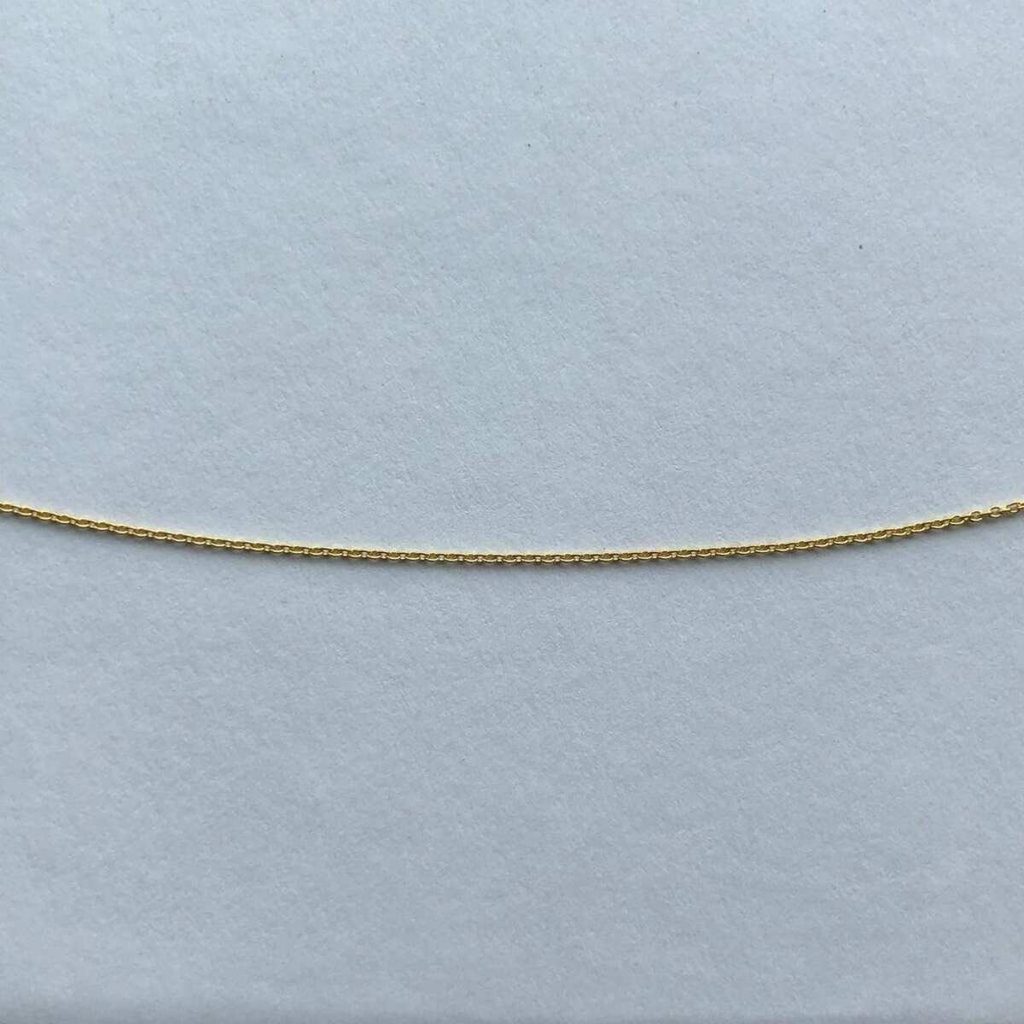
A fine cable chain consists of interconnected oval or round links. Its relatively straightforward construction can provide a practical combination of flexibility and repairability.
A box chain uses square-shaped links that create a smooth geometric appearance. It can be attractive for minimalist necklaces, although extremely thin versions may kink or fail at individual links.
A snake chain produces a sleek, continuous surface but may be susceptible to permanent kinking if sharply bent.
A herringbone chain offers a flat, reflective appearance but generally requires careful handling because its closely arranged components can deform.
For daily use, a properly manufactured solid cable chain is often a sensible choice, although its suitability still depends on wire thickness, link dimensions, and joining quality.
products.riogrande.com+1
Which Under 1g 18K Gold Jewelry Is Best for Daily Wear?
Not every jewelry category experiences the same level of physical stress.
Earrings, necklaces, rings, and bracelets encounter different combinations of friction, pulling, bending, and impact.
Understanding these differences can help buyers select minimalist jewelry that suits their routines.
1. Minimalist Gold Stud Earrings
Small stud earrings are among the most practical options for ultra-lightweight 18K gold jewelry.
Because earrings generally experience less contact with hard surfaces than rings or bracelets, they can remain in good condition with relatively modest maintenance.
Their compact construction also allows the available metal to be concentrated within a small area.
A pair of tiny gold ball studs or geometric earrings may therefore be more structurally resilient than a similarly weighted necklace.
However, buyers should inspect the earring posts and fastening mechanisms.
Very thin posts can bend, while poorly fitting backs may loosen and increase the risk of losing an earring.
For regular use, choose earrings with well-constructed posts and secure backs. Remove them before activities where they might become caught in clothing, towels, or protective equipment.
2. Delicate 18K Gold Necklaces
Minimalist necklaces are particularly popular because they offer subtle elegance without adding noticeable weight.
An under 1g 18K gold necklace may be suitable for everyday office wear, social occasions, and relatively low-impact activities.
However, extremely thin necklaces are vulnerable to sudden pulling.
A necklace may catch on a shirt collar, handbag strap, scarf, or hairbrush. If the resulting force exceeds the strength of a link or connecting ring, the chain can break.
To reduce this risk, buyers should examine the chain’s construction and the security of its clasp.
A necklace intended for daily use should ideally have a well-finished clasp, sound connecting rings, and sufficient strength for any pendant it carries.
Heavy pendants should not be attached to exceptionally delicate chains without confirming compatibility with the jeweler.
3. Lightweight 18K Gold Rings
Minimalist rings are visually appealing, but they can experience considerable mechanical stress.
Hands frequently contact desks, door handles, shopping bags, keyboards, exercise equipment, and other objects.
Consequently, a very thin 18K gold ring may gradually develop scratches or become misshapen.
The risk is particularly relevant when the ring has an extremely narrow band or an open-ended design.
A thin ring may also deform when carrying heavy objects or gripping hard surfaces.
For people who work extensively with their hands, a somewhat heavier ring may offer better long-term practicality.
If an under 1g ring is preferred, it should be removed before exercise, gardening, heavy cleaning, and similar activities.
4. Minimalist Gold Bracelets
Bracelets combine visual versatility with frequent exposure to movement and friction.
During ordinary activities, a bracelet may rub against desks, clothing, bags, or other accessories.
It may also become caught on objects or experience repeated pulling.
These conditions make exceptionally lightweight bracelets less forgiving than small earrings.
For everyday wear, choose a bracelet with a reliable clasp, well-joined links, and an appropriate fit.
A bracelet that is excessively loose may catch on objects, while one that is too tight can experience unnecessary tension.
Comparing Durability Across Minimalist Jewelry Types
The following table provides a practical qualitative assessment rather than a laboratory-tested durability ranking.
| Jewelry type | Everyday suitability | Main concern |
| Small solid stud earrings | High | Bent posts or loose backs |
| Petite gold pendants | High | Weak attachment loops |
| Fine cable-chain necklaces | Moderate | Snagging and broken links |
| Ultra-thin stacking rings | Moderate to low | Bending and surface abrasion |
| Delicate chain bracelets | Moderate to low | Pulling and clasp failure |
| Hollow lightweight hoops | Variable | Denting and deformation |
The central lesson is that jewelry location and construction influence durability as much as gold purity.
A compact 0.6g stud earring can be a sensible everyday accessory, whereas a 0.6g bracelet may require much more careful treatment.
Is 18K Gold Better Than 14K Gold for Everyday Wear?
When considering minimalist jewelry, buyers frequently compare 18K and 14K gold.
Both are established materials for fine jewelry, but their composition creates different practical advantages.
Gold Purity and Appearance
18K gold contains 75% pure gold, while 14K gold contains approximately 58.3%.
Because 18K contains a higher proportion of gold, yellow 18K alloys often have a richer golden appearance than comparable 14K alloys.
This visual difference can appeal to people seeking a traditional precious-metal aesthetic within a modern minimalist design.
However, color also depends on the alloying metals.
Two 18K jewelry items from different manufacturers may display noticeably different shades.
Hardness and Scratch Resistance
Many commonly used 14K gold alloys are harder than comparable 18K alloys.
This can make 14K gold advantageous for jewelry that experiences frequent contact, especially rings and bracelets.
Nevertheless, hardness should not be confused with overall durability.
A harder alloy is not necessarily superior in every mechanical situation. Resistance to scratching, resistance to bending, toughness, and fatigue performance are related but distinct properties.
The manufacturing process can also change how a particular alloy performs.
For practical shopping decisions, 14K gold is often worth considering when scratch resistance and frequent physical activity are priorities, while 18K gold may be preferable when higher gold content and richer color are more important.
Brilliant Earth+1
Comparison Table: 14K Versus 18K Minimalist Gold
| Feature | 14K gold | 18K gold |
| Gold purity | 58.3% | 75% |
| Typical yellow-gold appearance | Often slightly less saturated | Often richer |
| Scratch resistance | Often better | Often lower |
| Gold content per gram | Lower | Higher |
| Suitability for delicate earrings | Good | Good |
| Suitability for active daily wear | Often advantageous | Requires greater care |
| Purchase cost at comparable weight | Often lower | Often higher |
Neither material is universally superior.
The most appropriate choice depends on the jewelry design, expected activities, and personal priorities.
Can Under 1g 18K Gold Jewelry Break Easily?
An under 1g gold jewelry item is not necessarily weak, but certain construction features increase the likelihood of breakage.
Sudden Pulling and Snagging
One of the most common risks for fine chains is sudden tension.
A necklace may become caught in clothing, or a bracelet may snag on a door handle.
When the pulling force is concentrated on a small link, that component may deform or separate.
Repeated pulling can also weaken joints over time.
The risk increases when the chain has exceptionally thin links or poorly finished connections.
Repeated Bending
Gold alloys can undergo fatigue damage when subjected to repeated cycles of stress.
A thin bracelet that is frequently bent or twisted may gradually develop weakness at particular locations.
Similarly, repeatedly adjusting an open-ended ring can strain its narrowest sections.
Although gold alloys are ductile, ductility does not mean unlimited resistance to repeated deformation.
For this reason, jewelry should not be deliberately bent to adjust its shape unless the design specifically permits adjustment.
Poor Soldering and Weak Joints
Manufacturing quality plays a major role in jewelry durability.
A well-designed piece can fail prematurely if its connecting rings, solder joints, or fastening mechanisms are poorly constructed.
Small jewelry components are especially sensitive to workmanship because there is relatively little material available to compensate for defects.
Before purchasing, inspect the areas where chains connect to clasps and pendants.
Connections should appear properly aligned and securely joined.
A reputable jeweler should be able to explain how the item was manufactured and whether it can be repaired.
Excessive Polishing
Gold jewelry can gradually lose material through abrasive polishing.
This matters particularly for pieces weighing less than one gram because their structural components may already be extremely thin.
Frequent aggressive polishing can reduce metal thickness and potentially weaken delicate areas.
Gentle cleaning is therefore preferable to repeated intensive polishing.
Professional polishing should be reserved for occasions when it is genuinely necessary.
Can You Wear Under 1g 18K Gold Jewelry Every Day Without Removing It?
The phrase daily wear can mean different things.
For some people, it means wearing jewelry during office hours and removing it before sleeping.
For others, it means keeping jewelry on continuously while exercising, bathing, sleeping, and completing household tasks.
These patterns create very different durability expectations.
Wearing Gold Jewelry at Work
For office-based routines, under 1g 18K jewelry can be a practical option.
Small earrings and simple necklaces generally experience limited mechanical stress during desk work.
However, rings and bracelets may rub repeatedly against keyboards, desks, and other surfaces.
People who work in laboratories, workshops, healthcare environments, or industrial settings may face additional safety considerations.
Jewelry can become caught in equipment or interfere with gloves and protective procedures.
Where workplace safety policies restrict jewelry, those rules should take priority over aesthetic preferences.
Wearing Gold Jewelry While Sleeping
Sleeping in ultra-delicate jewelry is generally not advisable.
Fine chains can become twisted around hair or bedding, and small clasps may experience repeated tension.
Bracelets and rings can also be subjected to pressure during sleep.
Removing delicate pieces before bedtime reduces avoidable mechanical stress.
It also creates an opportunity to inspect the jewelry for damage.
Wearing Gold Jewelry During Exercise
Physical exercise can expose jewelry to impacts, friction, sweat, and accidental pulling.
Weightlifting is particularly unsuitable for delicate rings because gripping heavy equipment can compress or deform thin bands.
Contact sports create additional risks of injury and jewelry damage.
For safety and preservation, remove under 1g minimalist gold jewelry before vigorous physical activity.
Wearing Gold Jewelry in the Shower
Solid 18K gold does not dissolve or immediately deteriorate when exposed to ordinary water.
However, repeated exposure to soaps, shampoos, conditioners, and cleaning products may leave residues or affect surface appearance.
Water can also make small jewelry items slippery and easier to lose.
The practical recommendation is to remove delicate gold jewelry before showering.
This advice is especially important for pieces containing gemstones, adhesives, delicate finishes, or other materials that may respond differently to moisture.
Wearing Gold Jewelry While Swimming
Swimming presents several concerns.
Pool chemicals may affect certain alloy components or jewelry finishes, particularly with repeated exposure.
Saltwater environments can also leave deposits on jewelry, while water movement increases the risk of losing poorly secured pieces.
Extremely lightweight jewelry may be difficult to locate if it falls into a pool or natural body of water.
Removing it before swimming is therefore the safer choice.
Does Under 1g 18K Gold Tarnish or Lose Its Shine?
Gold is valued partly because of its chemical stability.
Pure gold is highly resistant to oxidation under ordinary environmental conditions.
However, 18K gold is an alloy rather than pure gold.
Its additional metals may respond to environmental substances, although high-gold-content alloys generally resist tarnishing better than many lower-purity alternatives.
Why Gold Jewelry May Appear Dull
A piece of 18K gold jewelry may lose some of its original brilliance because of accumulated skin oils, cosmetics, dust, soap residue, and microscopic surface scratches.
These effects should not automatically be interpreted as evidence of poor-quality gold.
Surface scratches scatter reflected light and can reduce the mirror-like appearance of polished metal.
A gentle cleaning may restore some shine when residue is the primary cause.
However, cleaning cannot eliminate scratches that have physically altered the metal surface.
Does 18K Gold Change Color?
Solid 18K yellow gold generally retains its fundamental alloy color.
Nevertheless, surface contamination or reactions involving alloying metals may produce discoloration under certain conditions.
White gold deserves special attention because some white-gold jewelry is coated with rhodium to produce a brighter white appearance.
As this coating wears, the underlying alloy color may become more visible.
Rose gold also contains a relatively high proportion of copper among its alloying metals, contributing to its characteristic pinkish tone.
The precise appearance and maintenance requirements depend on the alloy formulation and finish.
How to Clean Under 1g 18K Minimalist Gold Jewelry Safely
Regular, gentle cleaning can help preserve the appearance of delicate gold jewelry.
However, ultra-lightweight pieces should be handled carefully because excessive force may damage thin links, posts, or settings.
Step 1: Prepare a Mild Cleaning Solution
Fill a small bowl with lukewarm water and add a small amount of mild, nonabrasive soap.
Avoid harsh household cleaning chemicals, including bleach and strong acidic or alkaline products.
If the jewelry contains pearls, opals, glued elements, or other sensitive materials, consult a jeweler before immersing it.
Step 2: Clean Gently
Place suitable plain gold jewelry in the solution briefly to loosen surface residue.
Use a very soft cloth or an appropriately soft brush with minimal pressure.
Do not pull on fine chains while cleaning.
For exceptionally delicate pieces, wiping with a soft, slightly damp cloth may be safer than brushing.
Step 3: Rinse Carefully
Rinse the jewelry using clean water in a small bowl rather than directly over an open drain.
Small earrings, pendants, and chain components can easily slip from wet fingers.
Keeping the jewelry within a controlled cleaning area reduces the risk of accidental loss.
Step 4: Dry Completely
Pat the jewelry dry using a clean, soft, lint-free cloth.
Avoid twisting chains or applying pressure to thin components.
Allow any remaining moisture to evaporate before storing the item.
Step 5: Inspect Before Storage
Check the clasp, chain links, posts, and connecting rings.
Look for unusual gaps, bends, or loose components.
If damage is suspected, stop wearing the item until a qualified jeweler has examined it.
Gentle cleaning and periodic professional inspection are widely recommended for maintaining fine gold jewelry.
Brilliant Earth+1
How to Store Lightweight 18K Gold Jewelry
Storage conditions can influence how well minimalist jewelry retains its appearance and structural integrity.
Because ultra-lightweight pieces are delicate, they should not be placed loosely among heavier jewelry.
Use Separate Compartments
Store each item in an individual compartment or soft pouch.
This reduces the likelihood of chains becoming tangled and prevents harder jewelry components from scratching polished surfaces.
Keep Chains Flat
Fine necklaces should be stored flat or suspended in a manner that prevents sharp bends.
Avoid placing heavy objects on top of delicate chains.
If the necklace has a pendant, position it so that its weight does not place unnecessary tension on the chain during storage.
Avoid Excessive Moisture
A clean, dry storage environment helps protect jewelry and its associated components.
While gold itself is chemically stable, clasps, finishes, gemstones, and other materials may have different environmental sensitivities.
Handle One Piece at a Time
When removing several pieces of jewelry, handle each item individually.
Pulling tangled necklaces apart can damage links or connecting rings.
A few seconds of careful handling can prevent avoidable repairs.
How Long Can Under 1g 18K Gold Jewelry Last?
There is no scientifically defensible universal lifespan for every jewelry item weighing less than one gram.
Two pieces with identical gold purity and weight can perform differently because of their geometry, manufacturing quality, and conditions of use.
A compact pair of solid gold earrings may remain serviceable for many years with appropriate care.
An extremely thin necklace subjected to repeated snagging may require repair much sooner.
Similarly, a lightweight ring worn during heavy manual work may develop deformation more rapidly than one reserved for low-impact activities.
Therefore, durability should be evaluated through the interaction of three broad factors.
Material quality: The alloy composition and manufacturing process influence hardness, strength, and resistance to wear.
Structural design: Metal thickness, shape, joining methods, and the presence of hollow components determine how forces are distributed.
Wear conditions: Daily activities, accidental impacts, friction, cleaning practices, and storage habits influence the rate of deterioration.
These factors collectively determine whether an under 1g 18K gold item remains suitable for long-term use.
Is Under 1g 18K Gold Worth Buying?
The value of minimalist gold jewelry extends beyond its metal weight.
For many buyers, the attraction lies in its visual simplicity, comfort, versatility, and ability to complement different outfits.
Nevertheless, purchasing decisions should balance these advantages against the limitations of ultra-lightweight construction.
Advantages of Under 1g 18K Gold Jewelry
Elegant appearance: Minimalist designs provide a refined aesthetic suitable for formal and casual occasions.
Lightweight comfort: Small earrings and necklaces may feel comfortable during extended wear.
High gold content: Solid 18K jewelry contains 75% gold by mass.
Styling versatility: Delicate pieces can be worn individually or combined with other accessories.
Lower total metal requirement: Using less gold can reduce the material component of the purchase price compared with heavier items of similar purity.
Potential Disadvantages
Greater sensitivity to damage: Extremely thin components may bend, stretch, or break.
Limited repair options: Some ultra-fine chains and hollow structures are difficult or uneconomical to repair.
Higher risk of loss: Tiny earrings and pendants may be difficult to recover if dropped.
Potentially high making charges: Intricate manufacturing can create substantial labor costs relative to the item’s gold weight.
Reduced suitability for demanding activities: Delicate jewelry may require frequent removal during exercise, cleaning, or manual work.
A well-made minimalist piece can be a worthwhile purchase, but buyers should not assume that low weight automatically provides good value.
Understanding the Price of Under 1g 18K Gold Jewelry
The price of fine gold jewelry is influenced by more than the market value of the gold it contains.
Retail pricing may include the value of the precious metal, alloying costs, manufacturing charges, finishing, hallmarking, applicable taxes, and retailer margins.
For jewelry weighing less than one gram, making charges may represent a significant portion of the final selling price.
Calculating the Gold Content
Suppose a minimalist ring weighs 0.8 grams and is manufactured entirely from 18K gold alloy.
Its approximate pure-gold content is:
0.80.75=0.60grams
The remaining 0.2 grams consists of alloying metals.
For a simplified estimate of the pure-gold component’s value:
Goldvalue=Itemweight0.7524Kgoldpricepergram
This calculation is illustrative.
Actual retail prices may differ because of manufacturing costs, supplier pricing, taxes, wastage policies, and other commercial factors.
For pieces containing gemstones or non-gold components, the total item weight should not automatically be treated as gold-alloy weight.
Does Lightweight Gold Have Resale Value?
Solid 18K gold retains intrinsic precious-metal value.
However, resale proceeds depend on the verified gold content, prevailing purchase rates, deductions, and the policies of the buyer.
Making charges and retail premiums are not necessarily recoverable.
Because an under 1g item contains a small absolute quantity of gold, its resale value may be modest even when its original purchase price was relatively high.
Consumers primarily seeking investment exposure to gold should therefore distinguish jewelry purchases from investment-oriented gold products.
Minimalist jewelry is generally best evaluated as a wearable accessory with some intrinsic material value.
How to Identify Genuine 18K Gold Jewelry
Authenticity is an important consideration when purchasing extremely lightweight gold jewelry.
A product may be advertised using terms such as 18K gold, 18K gold plated, 18K vermeil, or 18K gold filled.
These descriptions do not represent identical products.
Solid 18K Gold
Solid 18K gold jewelry is made from an alloy containing 75% gold throughout the relevant metal components.
It does not depend on a thin decorative gold coating for its gold content.
18K Gold-Plated Jewelry
Gold-plated jewelry generally consists of a base metal covered with a layer of gold.
The coating may be 18K gold, but the underlying jewelry is not solid 18K gold.
Its appearance can change as the plating wears.
Gold Vermeil
Gold vermeil is a category of gold-plated sterling silver jewelry, subject to applicable market-specific standards.
Although it may offer an attractive appearance, it is not equivalent to solid 18K gold.
Gold-Filled Jewelry
Gold-filled jewelry uses a mechanically bonded layer of gold alloy over a base metal, generally with more substantial gold content than ordinary thin plating.
However, it remains distinct from solid gold.
Consumers should examine the full product description rather than relying on the presence of the term 18K.
Hallmarking and Gold Purity Verification
Hallmarking provides an important means of identifying the declared purity of precious-metal jewelry.
An 18K gold item may carry a fineness designation of 750, representing 750 parts gold per thousand parts of alloy.
However, the presence of a stamped number alone does not establish authenticity conclusively.
Counterfeit markings are possible, and hallmarking requirements vary across jurisdictions.
In India, buyers should check applicable Bureau of Indian Standards requirements and the appropriate hallmarking information for the jewelry category.
The official Bureau of Indian Standards website provides information about hallmarking and consumer verification.
Buyers should also retain invoices identifying the gold purity, item weight, making charges, and other relevant purchase details.
For very small jewelry items, the placement and verification of markings may require special attention.
A trustworthy retailer should be able to explain the item’s purity documentation and any applicable hallmarking provisions.
How to Choose Durable Under 1g 18K Minimalist Gold Jewelry
The following considerations can help consumers make more informed purchasing decisions.
Prioritize Construction Over Appearance Alone
A visually attractive design may not necessarily be structurally suitable for daily wear.
Examine whether the jewelry contains extremely thin sections, fragile projections, or unsupported decorative elements.
Simple, compact designs often provide practical advantages because they minimize opportunities for snagging.
Ask About Dimensions
Request the chain width, ring-band thickness, or relevant component dimensions where available.
A jewelry item weighing 0.9 grams may be structurally different from another item of the same weight.
Dimensions help explain how the metal is distributed.
Inspect Clasps and Connections
A necklace or bracelet is only as reliable as its vulnerable components.
Check whether the clasp operates smoothly and closes securely.
Examine connecting rings for visible gaps or distortion.
Consider the Intended Activity
A small stud earring may be appropriate for a routine involving office work and commuting.
An ultra-thin ring may be less suitable for someone who regularly lifts equipment or performs physically demanding tasks.
Choose jewelry based on actual daily activities rather than assuming all minimalist pieces are interchangeable.
Evaluate Repairability
Before purchasing, ask whether the jeweler can repair broken links, replace clasps, or reinforce damaged components.
Some ultra-lightweight pieces may be difficult to restore without noticeably changing their appearance.
Repairability is particularly important when purchasing jewelry intended for many years of use.
Review the Warranty and Return Policy
A clear warranty can provide reassurance about manufacturing defects.
However, warranties frequently distinguish manufacturing problems from accidental damage or normal wear.
Read the conditions carefully.
Also check whether the retailer offers resizing, repair services, or replacement components.
Common Mistakes to Avoid When Buying Ultra-Lightweight Gold
Consumers sometimes focus heavily on gold purity and overlook the structural features that determine practical performance.
One common mistake is assuming that 18K gold is automatically more durable than 14K gold because it contains more precious metal.
In reality, higher purity does not necessarily provide greater scratch resistance.
Another mistake is treating jewelry weight as a complete measure of quality.
A heavier piece may be stronger, but this is not guaranteed without considering construction and dimensions.
Buyers may also overlook the distinction between solid gold and gold-plated products.
An item described as 18K gold plated does not contain the same amount of gold as a solid 18K item of equivalent weight.
Finally, purchasing an extremely delicate design for demanding everyday activities can lead to disappointment.
The most successful purchase is one that matches the jewelry’s construction to the wearer’s lifestyle.
Styling Under 1g 18K Minimalist Gold Jewelry
Durability is important, but aesthetic versatility remains one of the strongest reasons for choosing minimalist gold.
Minimalist Gold for Professional Outfits
A tiny pair of gold studs or a fine pendant necklace can complement formal office clothing.
These accessories provide a polished appearance without distracting from the overall outfit.
For professional settings, simple geometric designs and smooth finishes are particularly versatile.
Minimalist Gold for Casual Fashion
A delicate gold necklace can complement a plain shirt, blouse, or lightweight sweater.
Small hoops and subtle rings can add warmth to casual outfits.
The understated character of minimalist jewelry allows it to work with a wide range of clothing styles.
Layering Delicate Gold Necklaces
Layering can create visual interest by combining necklaces of different lengths.
However, very fine chains may become tangled when worn together.
Choose necklaces with sufficient length separation and avoid combining multiple fragile chains that repeatedly rub against one another.
Combining Gold Rings
Thin stacking rings can create a sophisticated layered appearance.
Nevertheless, repeated contact between adjacent rings may produce scratches.
Wearing several ultra-thin rings together can also create pressure points.
For daily wear, prioritize comfort and avoid combinations that cause persistent friction or bending.
Environmental and Sustainability Considerations
The sustainability of gold jewelry involves questions extending beyond durability.
Gold extraction and refining can create environmental and social impacts, depending on mining practices, energy sources, labor conditions, and supply-chain management.
Some jewelry manufacturers use recycled gold or source metal through responsible procurement systems.
However, recycled content and responsible sourcing claims should be supported by credible documentation.
Lightweight jewelry uses less gold per item than a heavier design of equivalent purity, but lower material weight alone does not establish a product’s overall environmental footprint.
Manufacturing methods, transportation, packaging, product longevity, and repairability also influence environmental performance.
A durable piece that remains in use for many years may provide better long-term utility than an inexpensive but fragile accessory that requires frequent replacement.
Consumers interested in responsible purchasing should therefore consider both sourcing transparency and expected product lifespan.
Frequently Asked Questions
Is under 1g 18K gold strong enough for daily wear?
Yes, certain under 1g 18K gold jewelry items are suitable for daily wear. Compact solid earrings and small pendants are often practical choices. Extremely thin rings, bracelets, and necklaces may require more careful handling.
Does under 1g 18K gold break easily?
It can break if the design contains very thin links, weak joints, or fragile components. However, weight alone does not determine whether jewelry will break. Construction quality and the type of force applied are also important.
Can I wear an 18K gold necklace every day?
Yes, a properly manufactured 18K gold necklace can be worn regularly. For an exceptionally thin chain, avoid sudden pulling, heavy pendants, sleeping in the necklace, and vigorous activities.
Is 18K gold better than 22K gold for lightweight jewelry?
18K gold is generally more suitable for many delicate structural designs because alloying can improve hardness and strength compared with higher-purity gold. Nevertheless, the exact properties depend on alloy composition and manufacturing quality.
Is 14K gold more durable than 18K gold?
Many 14K gold alloys provide greater hardness and scratch resistance than comparable 18K alloys. However, overall durability also depends on design, thickness, and workmanship.
Can I shower with under 1g 18K gold jewelry?
Although ordinary water does not immediately damage solid 18K gold, removing delicate jewelry before showering is advisable. This reduces exposure to products, snagging, and accidental loss.
Will 18K gold fade over time?
Solid 18K gold does not lose its gold content through the disappearance of a decorative coating. However, scratches, surface contamination, and wear can affect its appearance. Plated jewelry behaves differently because its coating may gradually wear away.
Is under 1g gold jewelry real gold?
It can be genuine solid gold, provided the product is accurately described and its purity is verified. A weight below one gram does not mean the item is fake.
Can a 0.5g gold ring be worn daily?
A 0.5g ring may be suitable for careful, low-impact wear, but its durability depends on ring size, band dimensions, and construction. Very thin rings can deform under ordinary hand pressure.
Is under 1g 18K gold suitable for sensitive skin?
Some people tolerate high-gold-content alloys well, but skin compatibility depends on the specific alloying metals. Individuals with nickel or other metal allergies should request detailed composition information rather than relying on karat purity alone.
Can a broken lightweight gold chain be repaired?
Some fine gold chains can be repaired by a qualified jeweler. However, repair feasibility depends on link dimensions, damage location, alloy composition, and construction. Extremely delicate chains may be difficult or uneconomical to repair.
How often should minimalist gold jewelry be cleaned?
Cleaning frequency depends on use and exposure to cosmetics, skin oils, and environmental residue. Gentle cleaning when visible buildup occurs is usually preferable to frequent abrasive polishing.
Is an under 1g 18K gold bracelet a good gift?
It can be an attractive gift for someone who appreciates delicate jewelry. However, consider the recipient’s lifestyle and whether the bracelet is sufficiently sturdy for their intended use.
Does 18K gold have good resale value?
Solid 18K gold has intrinsic precious-metal value, but actual resale proceeds depend on verified gold weight, market conditions, and buyer deductions. Retail making charges may not be recovered.
What is the most durable under 1g 18K jewelry design?
Compact solid gold designs with few vulnerable connections are generally promising choices. Small stud earrings and simple pendants often face less mechanical stress than ultra-thin rings or bracelets.
Final Verdict: Is Under 1g 18K Minimalist Gold Durable for Daily Wear?
Under 1g 18K minimalist gold jewelry can be durable enough for everyday use, but its suitability depends more on construction and wear conditions than on gold purity alone.
18K gold offers a valuable combination of high gold content, attractive appearance, and useful mechanical properties. Nevertheless, exceptionally lightweight jewelry has inherent structural limitations because its metal components may be extremely thin.
For buyers seeking a practical everyday accessory, small solid gold stud earrings and compact pendants are often sensible options. Fine necklaces can also perform well when they have reliable links and clasps and are protected from accidental pulling.
Ultra-thin rings and bracelets require greater caution because they experience more frequent contact, bending, and abrasion.
The most important purchasing principle is to choose a well-constructed piece that suits the intended activities rather than selecting jewelry solely because it is lightweight, fashionable, or made from 18K gold.
With appropriate design, careful handling, gentle cleaning, and periodic inspection, under 1g 18K minimalist gold jewelry can provide lasting beauty and practical everyday enjoyment.