

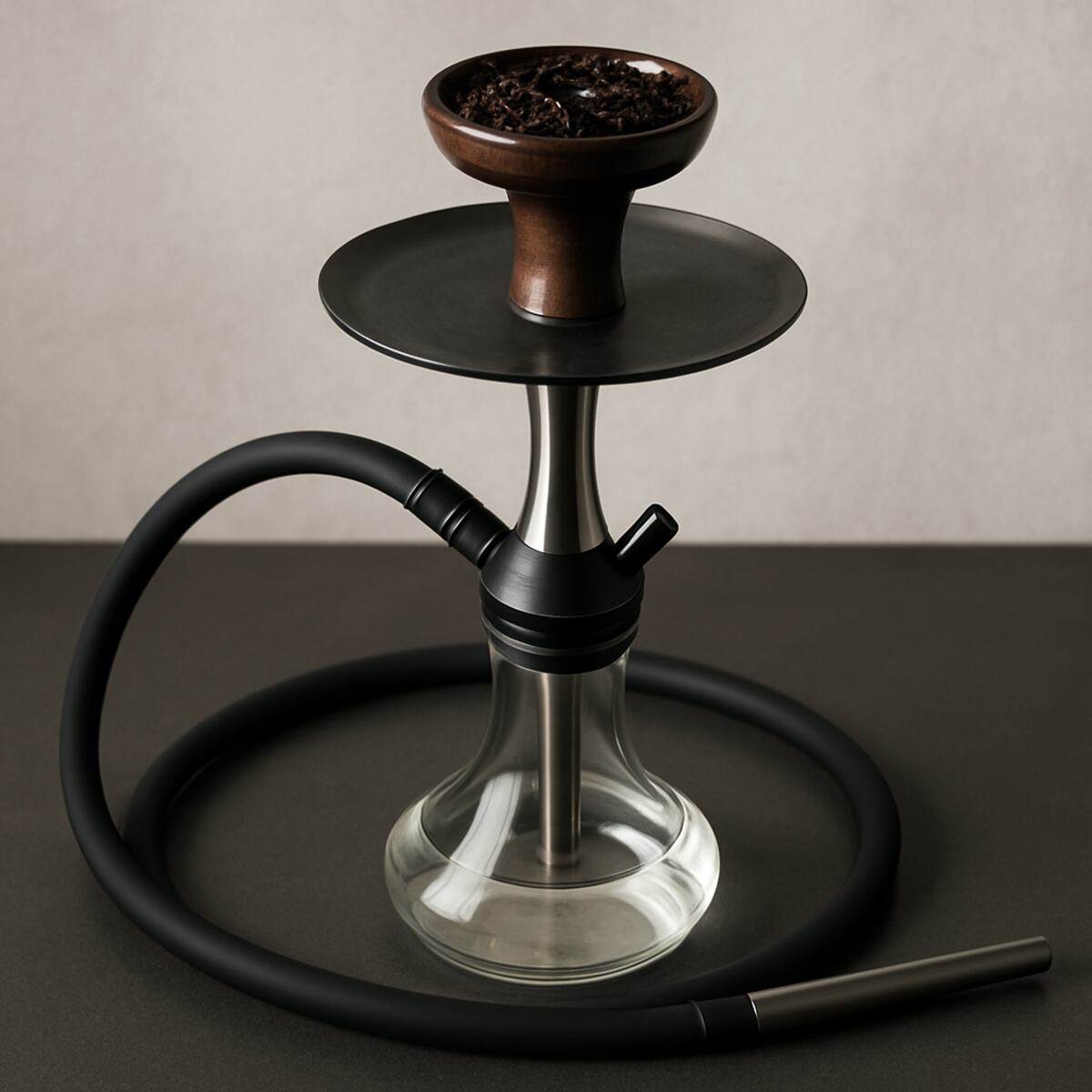
If you have spent any significant amount of time in the global hookah community, you have inevitably heard the name “Tangiers.” Revered by seasoned enthusiasts and often approached with a mix of awe and trepidation by newcomers, Tangiers hookah tobacco is widely considered the holy grail of dark leaf shisha. It is not just a brand; it is an entire subculture within the hookah world, complete with its own preparation rituals, packing techniques, and dedicated hardware requirements. The Amazing fact about Tangiers hookah tobacco.
However, jumping into the world of Tangiers without a roadmap can be daunting. Unlike standard washed-blonde leaf brands that you can simply fluff into a bowl and smoke, Tangiers requires respect, patience, and a bit of know-how. This comprehensive guide is designed to demystify this legendary brand. Whether you are wondering which line to start with, trying to understand the science behind humidity shock, or seeking the ultimate dense pack technique, you will find everything you need right here.
By the end of this masterclass, you will know exactly how to choose, prepare, and smoke Tangiers hookah tobacco to achieve those massive, flavorful, and long-lasting clouds that have made it an industry icon.
Understanding the Tangiers Legacy: What Makes It So Special?
Before diving into the mechanics of choosing and packing, it is crucial to understand what Tangiers actually is. Founded in the early 2000s by the late Eric Hofmann in Southern California, Tangiers was born out of a desire to create a traditional, robust, and unadulterated smoking experience. At a time when the market was flooded with overly sweet, dyed, and heavily washed blonde tobaccos, Hofmann introduced a product that celebrated the natural, earthy characteristics of the tobacco leaf itself.
The Science of Unwashed Dark Leaf
Most commercial shisha on the market is “washed.” This means the tobacco leaves are rinsed multiple times with water to strip away the natural nicotine, tobacco flavor, and heavy buzz, creating a blank canvas for artificial flavorings.
Tangiers, on the other hand, is an unwashed, dark-leaf tobacco. The leaves are left in their natural state, retaining their high nicotine content and deep, earthy tobacco undertones. The unwashed dark leaf tobacco effects are profound: smokers experience a much stronger nicotine buzz, a heavier smoke density, and a complex flavor profile where the natural tobacco notes interact with the added flavorings (molasses and juices).
Because it is unwashed, Tangiers requires a specific manufacturing process. It uses a molasses-based binder rather than honey, and it is cooked and aged in a way that creates a very dense, sticky, and finely chopped product. This unique texture is the reason why standard preparation methods simply do not work for Tangiers.
Decoding the Tangiers Matrix: Understanding the Different Lines
One of the most common hurdles for new Tangiers smokers is figuring out which “line” to buy. Tangiers is not a one-size-fits-all product. The brand produces four distinct lines of tobacco, each varying in nicotine strength, heat tolerance, and leaf composition. Choosing the right one is the foundation of a great session.
1. Tangiers Birquq (The Green Label)
If you are transitioning from blonde leaf to dark leaf, the Birquq line is your best starting point. Introduced as a more accessible alternative to the original formula, Birquq requires less heat, less acclimation, and delivers a milder nicotine buzz.
- Nicotine Level: Low to Medium (comparable to some unwashed blonde/medium brands).
- Heat Tolerance: Low. Birquq is very sensitive to heat. You will want to use lower-heat coals (like flats or halves) and monitor your session closely.
- Acclimation: Rarely needs traditional acclimation. Usually, a quick massage of the package (the “squish” method) is enough.
- Best For: Beginners, those sensitive to heavy nicotine, and smokers who prefer a sweeter, more flavor-forward session without a heavy tobacco undertone.
2. Tangiers Noir (The Yellow Label)
This is the original. The classic. When people talk about Tangiers hookah tobacco, they are usually referring to the Noir line. It is the gold standard of dark leaf shisha and offers the widest variety of flavors.
- Nicotine Level: High. It provides a robust, heavy buzz that will easily put an unaccustomed smoker on the couch.
- Heat Tolerance: Medium. It takes heat better than Birquq, but still requires more precise heat management than modern blonde brands.
- Acclimation: Highly dependent on your local climate. Noir often requires acclimation to adjust to your home’s humidity and temperature.
- The Big Debate: Tangiers Noir vs Birquq lines: The primary difference lies in the tobacco base. Noir has a stronger, earthier tobacco note that complements its flavors, while Birquq is sweeter and lighter. Noir requires more careful packing and acclimation, whereas Birquq is more forgiving but can scorch easily if you apply too much heat.
3. Tangiers Burley (The Purple Label)
If Noir isn’t strong enough for you, Tangiers offers the Burley line. This line uses a different type of tobacco leaf—specifically, Burley tobacco, which is naturally higher in nicotine and absorbs flavor differently than the Virginia or Oriental blends used in other lines.
- Nicotine Level: Very High. The Tangiers Burley line nicotine strength is not for the faint of heart. It is designed for veteran smokers with a high nicotine tolerance.
- Heat Tolerance: High. The thick Burley leaves can handle a significant amount of heat.
- Characteristics: The high nicotine burley tobacco characteristics include a very dark, robust, and sometimes cigar-like undertone. The flavor absorption is different, meaning flavors in the Burley line often taste slightly darker or more savory than their Noir counterparts.
- Best For: Hardcore dark leaf enthusiasts who chase the ultimate buzz and love heavy, dense smoke.
4. Tangiers F-Line (The Cherry Red Label)
The F-Line is essentially the Noir line infused with caffeine.
- Nicotine Level: High (plus a caffeine kick).
- Heat Tolerance: Medium.
- Best For: Smokers looking for an experimental, highly stimulating session. (Note: F-Line is produced in limited quantities and can be hard to find).
The Crucial First Step: How to Acclimate Dark Leaf Shisha
You have purchased your first pouch of Tangiers Noir. You open the bag, take a sniff, and recoil. Instead of smelling like fresh peaches or mint, it smells like soy sauce, barbecue, or wet earth. Do not panic—your tobacco is not ruined. It is simply suffering from humidity shock.
Understanding Humidity Shock
Tangiers is manufactured in San Diego, California, which has a very specific climate and humidity level. Because the tobacco is unwashed and highly reactive to environmental conditions, sealing it in an airtight bag and shipping it across the country (or around the world) disrupts the molasses-tobacco equilibrium. When you open the bag in a different climate, the tobacco goes into shock, resulting in a savory, soy-sauce-like odor.
Learning how to acclimate dark leaf shisha is a non-negotiable skill for smoking Tangiers. If you smoke it while it smells like soy sauce, it will taste exactly like soy sauce. Here is how you fix it.
Fixing Shisha Humidity Shock Symptoms: The Methods
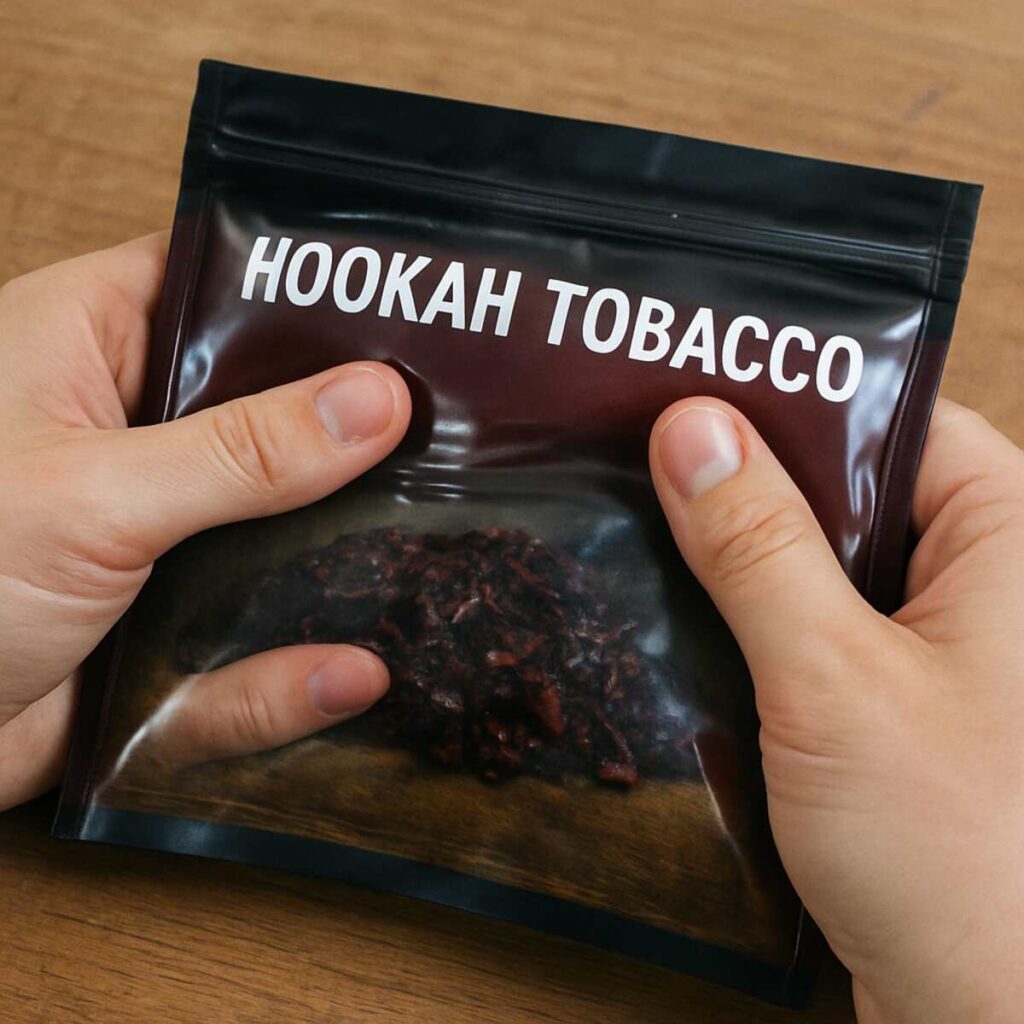
Method 1: The Instant Acclimation (The “Squish” Method)
Over the years, Tangiers has refined its manufacturing process, making traditional acclimation less necessary than it was a decade ago. Today, 90% of the time, you can use the instant acclimation method.
- Before opening the inner plastic pouch, vigorously massage, knead, and squish the tobacco inside the bag for 3 to 5 minutes.
- This forces the juices, which may have separated during transit, back into the tobacco leaves and creates friction that helps the tobacco adapt.
- Open the bag and smell it. If it smells accurately like the flavor you purchased, you are ready to smoke.
Method 2: The Traditional 4/20 Acclimation
If the squish method fails and the tobacco still smells off, you need to ask yourself how long to acclimate hookah tobacco using the traditional route. The answer is the classic 4/20 method.
- Empty the contents of the pouch into a shallow, wide Tupperware container.
- Spread the tobacco out evenly using a fork.
- Leave the container open and exposed to the air in the room where you plan to smoke for 4 hours. Stir it once every hour.
- After 4 hours, place the lid tightly on the container and let it sit closed for 20 hours.
- After this 24-hour cycle, the humidity shock should be resolved, and the true flavor will blossom.
Pro Tip: Never acclimate tobacco outdoors, in a damp basement, or in a bathroom. You want the tobacco to acclimate to the exact ambient room temperature and humidity where your hookah is set up.
Essential Gear: Equipping Yourself for Tangiers
Tangiers is notoriously picky about the hardware used to smoke it. You cannot just throw it into any bowl, slap some foil on it, and expect good results. Your setup matters immensely.
The Great Bowl Debate: Phunnel Bowl vs Egyptian Bowl for Dark Leaf
If there is one golden rule of smoking Tangiers, it is this: You must use a Phunnel bowl.
Traditional Egyptian bowls have holes at the bottom. Because Tangiers is extremely juicy and requires a very dense pack, packing it into an Egyptian bowl will result in two disasters:
- The heavy molasses will drip straight down the holes, down your stem, and into your base, ruining the water and bleeding the flavor dry.
- The dense packing method will completely block the holes at the bottom of the Egyptian bowl, resulting in zero airflow and an unsmokable hookah.
A Phunnel bowl features a single, raised central spire. The tobacco is packed in the outer trench, meaning the juices stay trapped in the bowl, boiling and producing flavor for hours. Furthermore, the central spire ensures that airflow is never restricted, regardless of how densely you pack the tobacco. Tangiers actually manufactures its own line of Phunnel bowls (the Tangiers Small, Medium, and Pico bowls), which are specifically measured and crafted from high-quality clay to retain the exact amount of heat the tobacco needs.
Choosing the Best Hookah
While the bowl is the most critical component, the hookah itself plays a role. The best hookah for Tangiers is typically one with a slightly restricted draw. Traditional hookahs like Khalil Mamoon or modern pipes with adjustable diffusers (such as Steamulation, Moze, or Alpha Hookah) work brilliantly. Tangiers produces a very thick, dense smoke, and a slightly restricted draw helps pull the heat evenly through the densely packed bowl, ensuring a richer flavor profile.
The Secret Weapon: The Oyster Fork
When preparing your bowl, keep your hands clean and ensure precise packing. A favorite tool among Tangiers veterans is the oyster fork. Using an oyster fork for packing provides the perfect leverage to press the dense tobacco down into the bowl evenly without making a mess. Its small, sturdy tines are ideal for maneuvering around the phunnel spire.
The Packing Masterclass: Achieving the Perfect Dense Pack
If acclimation is the first hurdle, packing is the final boss. Tangiers is explicitly designed to be packed tightly. If you fluff-pack Tangiers like you would a blonde-leaf tobacco, it will burn instantly, scorch your throat, and ruin the session.
You must master the dense pack method for phunnel bowls. The goal is to recreate the tobacco’s density as it was when vacuum-sealed in its original package.
Step-by-Step Dense Packing Guide
- Preparation: Stir your acclimated Tangiers tobacco thoroughly in its container. The juices tend to settle at the bottom, so you want a uniform consistency.
- Loading the Trench: Using your oyster fork, scoop the tobacco and drop it into the trench of your phunnel bowl. Overfill the bowl slightly above the rim.
- The Press: Using the flat back of the oyster fork (or your thumb, if you don’t mind getting messy), press the tobacco firmly into the bowl. You are not just lightly patting it; you are compressing it.
- Leveling: Continue pressing until the tobacco is completely flat and dense. The final level of the tobacco should be exactly the width of a quarter (about 2-3 millimeters) below the outer rim of the bowl.
- The Spire Check: Ensure that no tobacco touches or hangs over the central spire. If a leaf gets sucked into the spire, it will ruin your airflow.
- The Foil Test: Tangiers is traditionally smoked with heavy-duty aluminum foil. Tightly wrap the bowl with two layers of standard heavy-duty foil (or one layer of specialized thick hookah foil). Pull it drum-tight.
- Poking Holes: Use a toothpick or a specialized foil poker. Poke concentric circles of holes around the bowl. Crucial: Poke your holes all the way down to the bottom of the bowl. Because the pack is so dense, poking holes in the tobacco creates essential microchannels for heat to travel through.
- The Palm Test: Place your hand flat over the foiled bowl to seal it, then suck through the bowl’s bottom stem. You should feel tension but still be able to draw air. If it feels like sucking a thick milkshake through a tiny straw, your pack is too dense or your foil is covering the spire.
Heat Management: The Key to a Perfect Session
You have the right line, the tobacco is acclimated, and your dense pack is flawless. Now, you must master the fire. Heat management for dark leaf shisha is an art form. Tangiers is highly susceptible to heat shock. If you throw three massive cube coals onto the bowl right away, the top layer of tobacco will flash-fry, and the session will be ruined.
Foil vs. HMDs (Heat Management Devices)
While heat management devices like the Kaloud Lotus are incredibly popular today, Tangiers was designed in the foil era. Many purists argue that Tangiers performs best with foil and an Apple On Top (AOT) Provost. The Provost sits atop the foil and allows micro-adjustments in heat, which is perfect for Tangiers.
If you choose to use an HMD directly on the tobacco, you must slightly alter your pack, keeping the tobacco a bit lower so it barely grazes the bottom of the HMD to prevent scorching.
The Heat-Up Routine
To ensure a smooth start and aid in maximizing shisha session longevity, follow this low-and-slow heat routine:
- Use the Right Coals: Avoid large 26mm or 30mm cubes. Use flat coals, cubettes, or cut your cubes in half. Coconut charcoal is mandatory; never use quick-light coals with Tangiers.
- Placement: Place 3 flat coals on the absolute outer edge of the bowl, hanging slightly off the rim.
- Patience: Do not hit the hookah immediately. Let the bowl sit for 5 to 7 minutes. This allows the heavy clay bowl to absorb the heat and slowly bake the dense puck of tobacco from the outside in.
- The First Draw: Take a slow, gentle pull. It should be flavorful with light smoke. As the bowl warms up, the clouds will thicken.
- Rotation: As the session progresses, rotate the coals around the bowl every 15-20 minutes to ensure even baking. If the smoke gets too hot, remove a coal.
Troubleshooting: Why Does My Hookah Taste Harsh?
Even veterans experience a harsh bowl of Tangiers now and then. If you are coughing and asking yourself, “why does my hookah taste harsh?”, run through this diagnostic checklist:
- Too Much Heat: This is the #1 culprit. Tangiers requires surprisingly little heat. If it is harsh, immediately take off a coal and purge (blow gently into the hose to clear the stale smoke from the base). Wait two minutes and try again.
- Under-packed Bowl: If you fluff-packed the bowl, there is too much air between the tobacco leaves. The air superheats and instantly burns the tobacco. The fix? Pack it denser next time.
- Foil Drag: If your foil is not drum-tight, the weight of the coals will cause the foil to sag and touch the tobacco, burning it directly.
- Unacclimated Tobacco: If the harshness is accompanied by a barbecue or soy sauce flavor, your tobacco is suffering from humidity shock.
Navigating the Menu: Hookah Flavors and Recommendations
Tangiers boasts a massive catalog of over 100 hookah flavors. Their naming conventions can be mysterious (e.g., “Schnozzberry,” “Static Starlight,” “Kashmir Peach”), making it difficult to know what you are buying. Let’s break down the flavor profiles to help you choose the best options for your palate.
The Legend: Cane Mint
You cannot write a guide about Tangiers without dedicating a section to Cane Mint. It is, without exaggeration, the most famous hookah tobacco flavor in the world.
- The Profile: Cane Mint is an intense, icy, sweet peppermint. It is incredibly potent, offering a cooling sensation in the throat combined with a sweet, almost candy-cane-like finish.
- Cane Mint Flavor Profile Comparison: How does it compare to other mints on the market? Unlike standard spearmints (like Al Fakher Mint) which are earthy and herbal, or pure menthols which are just cold, Cane Mint perfectly bridges the gap between intense peppermint sweetness and heavy cooling. In the Noir line, the dark tobacco notes ground the sweetness, making it a perfectly balanced standalone smoke. In the Burley line, Cane Mint hits like an absolute freight train of ice and nicotine.
The Best Tangiers Flavors for Beginners
If you are just starting out, it is best to avoid heavy floral or “Kashmir” (spicy) notes, as they can be an acquired taste. Here are the best Tangiers flavors for beginners that offer universally appealing, accurate profiles:
- Orange Soda: Exactly what it sounds like. It perfectly captures the effervescent, syrupy, citrusy sweetness of a freshly opened can of orange soda. It is highly heat-resistant and very forgiving to pack.
- Peach Iced Tea: A beautifully balanced mix of sweet, juicy peach and earthy black tea. The natural tobacco notes of the Noir line actually enhance the “tea” aspect of this flavor brilliantly.
- Static Starlight: A complex but accessible fruity blend featuring dark grape, sweet rose, and a hint of lemon. It is sweet, slightly floral, and incredibly smooth.
- Marigold: A fantastic, bright, and sweet floral melon. It is refreshing and performs exceptionally well in the Birquq line.
- Blue Gumball: A nostalgic trip back to childhood. It tastes exactly like the sweet, slightly tart blue gumballs you used to get out of quarter machines.
Exploring the “Kashmir” Line
For advanced smokers looking to expand their palate, Tangiers is famous for its “Kashmir” flavors (e.g., Kashmir Peach, Kashmir Cherry, Kashmir Apple). “Kashmir” is Tangiers’ proprietary spice blend. It is a heavy, earthy, incense-like floral spice with notes of cardamom, cinnamon, and nutmeg. When paired with sweet fruits like peach or cherry, it creates a deeply complex, savory-sweet session that pairs perfectly with black coffee or a dark stout beer.
Step-by-Step Walkthrough: Your First Tangiers Session
To pull everything we have learned together, here is a quick-reference checklist for your very first session with Tangiers hookah tobacco:
- Select: Choose a beginner-friendly flavor (like Orange Soda or Cane Mint) in the Birquq or Noir line.
- Acclimate: Knead the unopened pouch for 5 minutes (the Squish Method). Open and smell. If it smells like soy sauce, use the 4/20 method.
- Prep the Bowl: Grab your clay Phunnel bowl and your oyster fork.
- Pack: Scoop the tobacco into the trench. Press it down firmly and evenly until it is a quarter of the width of the rim below. Keep the central spire clean.
- Foil: Wrap tightly with heavy-duty foil. Poke deep holes down to the bottom of the bowl.
- Heat: Light three flat coconut coals. Place them on the extreme outer edge of the bowl.
- Wait: Let the bowl sit untouched for 5 to 7 minutes so the tobacco can bake.
- Smoke: Take slow draws. Rotate the coals every 20 minutes. Manage your heat carefully—if it gets harsh, remove a coal.
Advanced Tips for the Tangiers Enthusiast
Once you have mastered the basics, there are a few advanced techniques you can use to elevate your Tangiers experience even further.
Mixing Tangiers with Other Brands
Mixing Tangiers with washed blonde leaf tobacco (like Fumari or Starbuzz) can be tricky because they require entirely different packing methods and heat levels. If you want to mix them, do not blend the leaves together. Instead, use a “sectional pack.”
Pack the Tangiers densely into one half of the phunnel bowl trench, and fluff pack the blonde leaf into the other half. When placing your coals, put the heat primarily over the Tangiers side. The heat will radiate through the clay and gently warm the blonde leaf side without scorching it. This allows you to enjoy the high nicotine and robust flavor of Tangiers alongside the sweet, artificial notes of a blonde leaf.
Long-Term Storage
Because Tangiers is unwashed and naturally moist, it has an incredibly long shelf life if stored properly. To maximize its longevity, always store your Tangiers in an airtight, shallow Tupperware container. Keep it in a dark, room-temperature cabinet. Never store hookah tobacco in the refrigerator; the cold will shock the molasses, dry out the leaves, and destroy the flavor profile.
Maximizing Shisha Session Longevity
A properly packed Tangiers bowl can easily last for 3 to 4 hours without losing its flavor. The secret to this extreme longevity lies in the pack’s density and the conservative use of heat. Because the tobacco is packed so tightly, only the very top layer comes into contact with the heat source.
As the first round of coals burns down, the top layer of tobacco forms a protective crust. When you apply your second round of fresh coals (usually around the 60-90 minute mark), do not place them in the exact same spots. Stagger them. The heat will push through the protective crust and begin baking the next dense layer of fresh, juicy tobacco sitting beneath it. This layer-by-layer baking process is why a Tangiers session can outlast almost any other brand on the market.
Conclusion: The Reward of the Ritual
Transitioning to Tangiers hookah tobacco is a rite of passage for hookah enthusiasts. It marks the shift from casually smoking whatever is available to intentionally crafting a high-quality smoking experience. Yes, it requires more effort. You have to understand the lines, respect the nicotine levels, master the dense pack, and baby the heat.
However, the reward is well worth the learning curve. Once you conquer the preparation ritual, you are treated to a session that is unmatched in flavor density, smoke output, and longevity. You will experience the rich, authentic taste of unwashed tobacco leaves perfectly harmonized with world-class flavorings.
Do not get discouraged if your first bowl is slightly harsh or your pack isn’t perfectly leveled. Tangiers is a craft, and like all crafts, it takes practice. Use this guide as your reference manual, trust the process, respect the heat, and welcome to the upper echelon of the global hookah community. Enjoy the clouds!