

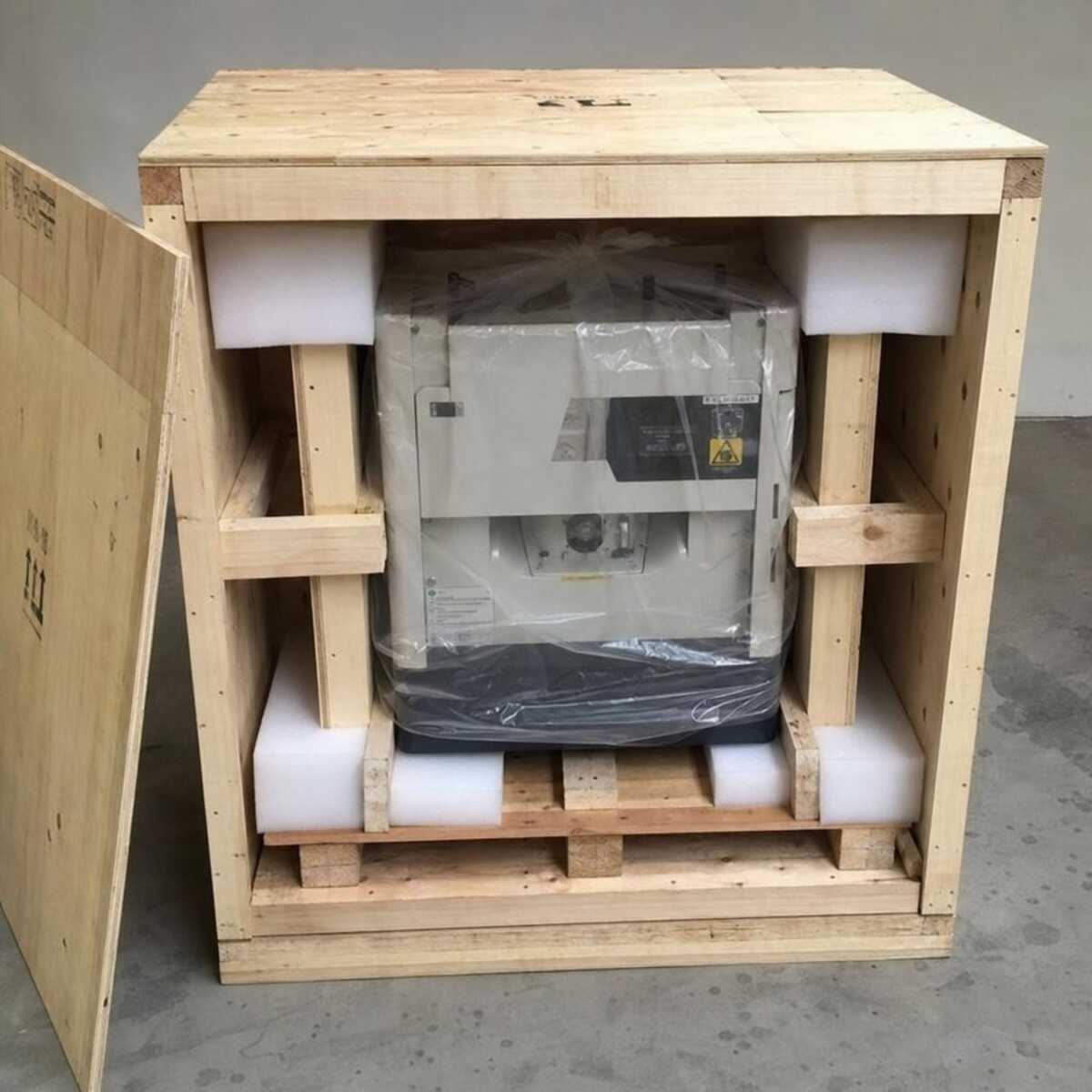
Transportli crate shipping combines the protection of a properly packed shipping crate with a way to compare freight transportation options. Transportli describes its service as a marketplace where you can compare carrier quotes, choose an option, and follow pickup and delivery through your account. For bulky, fragile, or valuable items, that gives you a practical starting point: prepare the freight carefully, then compare transportation that fits it. To know more, check out Transportli
The important distinction is that the crate and the shipping service solve different problems. The crate protects and contains the item; the transportation arrangement determines how it travels. This guide explains the benefits of each, where they work together, and what to check before you book.
What are the main benefits of Transportli crate shipping?
The main benefits include access to carrier comparisons, tools for preparing freight details, and a booking process that keeps shipment communication in one place. Well-designed shipping crates can also protect large or delicate goods. Transportli provides the comparison platform, while the packaging must suit the item and the selected carrier’s requirements.
Think of the decision in two parts. First, decide what your item needs to arrive in to be usable. Then decide which transportation option meets your route, handling, and timing needs. Starting with those questions keeps a low-looking quote from becoming the only thing you consider.
Here is a useful way to organize the potential benefits:
- Protection: Evaluate whether an enclosure, internal supports, and cushioning address the item’s vulnerable areas.
- Choice: Compare suitable carrier offers rather than assuming the first available option fits.
- Budget clarity: Request prices using the same packed dimensions, weight, and delivery requirements.
- Coordination: Keep the accepted quote, shipment details, and carrier messages in one place.
- Delivery readiness: Confirm how the crate will come off the truck and who will receive it.
Use that list as a decision framework, not a promise that every shipment includes every service. Before paying, check which tasks belong to you, which belong to the carrier, and whether a separate packing provider is needed.
For example, a quote for transporting an already prepared crate should not be treated as an offer to build that crate. Make the scope explicit: packing, pickup, transportation, unloading, and unpacking are separate questions worth answering.
Protection for items that need more than an outer box
A shipping crate is a rigid enclosure used for freight that needs additional protection. FedEx’s crate guidance identifies large, bulky items and goods that need protection from vibration, shock, and shifting as common candidates. That makes crating worth considering when ordinary packaging does not address the item’s risks.
The useful question is not simply whether the item is expensive. Ask what could damage it. A sturdy machine might have a delicate control panel, while a piece of furniture might have a durable body but vulnerable legs or a polished finish.
Create a short list of those weak points before discussing packaging. Mark anything that sticks out, moves independently, scratches easily, or should not carry weight. Give that list to whoever is designing or checking the crate.
Outer protection and internal support
A strong shell is only part of the packaging. FedEx’s freight guidance also addresses securing freight and using suitable packing methods for different items. The practical lesson is to evaluate the complete package, rather than assuming wooden walls make unsecured contents safe.
Ask the packer to explain what supports the item’s weight and what prevents movement. Then ask how vulnerable surfaces are separated from hard contact points. You do not need to become a packaging engineer, but you should understand the purpose of the main components.
An annotated packing photo can help. Label the base attachment, cushioning, protected projections, and opening panel. Save the image with the shipment record so the receiver can understand the setup without guessing.
Protection without unnecessary packaging
More material is not automatically a better design. Ask for a crate that addresses identified risks rather than simply adding layers everywhere. If a proposed change makes the crate much larger, request an explanation of the protection it adds.
A useful exercise is to finish this sentence for every major component: “This part of the packaging prevents…” If the answer is unclear, ask the packer to explain it. The goal is purposeful protection, not the heaviest possible box.
Comparing carriers around the same shipment details
Transportli says its marketplace lets users compare carrier prices and transit times. It also states that participating carriers are vetted and insured, while advising customers to confirm coverage for their particular shipment. Those are useful screening features, but they should support your own shipment-specific questions rather than replace them.
Start with one accurate description of the finished crate. Use the same pickup location, destination, dimensions, weight, and requested services for every option. Otherwise, you may be comparing different jobs without realizing it.
For your own review, create a simple comparison sheet:
| Detail to compare | What to record |
|---|---|
| Shipment description | The same contents and packed measurements for every option |
| Price | The quoted amount and any stated conditions |
| Timing | Pickup expectations, transit estimate, and delivery arrangements |
| Handling | Acceptance of the crate’s size, weight, and special needs |
| Delivery services | The unloading and placement services requested |
| Coverage | The shipment-specific explanation provided by the carrier |
Do not fill gaps with assumptions. If a quote does not explain an important point, mark it “not confirmed” and ask. That small habit makes the comparison more honest.
Imagine you are choosing between two offers for a crated instrument. One appears cheaper, but you have not confirmed the delivery arrangement. The other clearly describes the requested service. Your next step should be to clarify the first offer, not choose either one immediately.
Separate transit estimates from deadlines
When reviewing timing, explain your actual need in plain language. “Needed for an event” is less useful than stating the date by which the item must be received, checked, and ready to use. Include time for inspection and setup in your own planning.
Ask whether the proposed timing is an estimate or a specifically guaranteed service. Request the applicable terms if a guarantee matters. Avoid scheduling installation or an event around a label you have not clarified.
Choose the option that meets the whole job. A price comparison is valuable only when you understand what each price covers.
When is a shipping crate better than a pallet or box?
Consider a crate when the item needs a rigid enclosure and packaging suited to its size, shape, or vulnerability. A pallet may be enough for suitably packaged goods that mainly need a stable base for handling. FedEx distinguishes crates, pallets, and freight boxes as different packaging choices, so the right answer depends on the actual contents rather than a universal preference.
Use the following questions to guide a discussion with your packer and carrier:
- Does the item already have packaging designed for this journey?
- Do exposed surfaces or projections need protection?
- Can the item be secured without loading delicate parts?
- Would a rigid enclosure solve a specific risk?
- Is there a simpler packaging method the carrier will accept?
- How will the receiver safely open and unload the package?
Write down the answers before ordering a crate. This keeps the packaging choice connected to the item, not to habit or appearance.
Common situations to assess
For machinery, identify the manufacturer’s approved support or attachment points before asking someone to secure it. For furniture, explain which surfaces must remain free from marks and which parts may be removed. For display equipment, prepare an inventory of the components that must arrive together.
Treat these as starting points for professional advice, not universal packing instructions. Different items can look similar while requiring very different support. A photograph helps start the conversation, but do not assume it tells the packer everything.
Also consider the receiver’s capabilities. A crate that looks manageable at a warehouse may create a problem at a small studio. Ask the receiving person to review the planned package and delivery method before it is built.
Choosing not to crate can also be a sensible outcome. If existing packaging is suitable and accepted, compare that option fairly. The benefit comes from appropriate packaging, not from using a crate at any cost.
Understanding the total shipping cost
Transportli’s crate-shipping guide explains that packed weight, outside dimensions, route, and delivery requirements affect the quote. It also notes that a crate can add weight and expense compared with a pallet. There is no sound basis for assuming that crating always produces cheaper transportation.
Instead, compare the full plan. Your budget should account for preparing the item, constructing or obtaining packaging, transporting it, and receiving it. Keep confirmed costs separate from allowances you still need to investigate.
A practical budget worksheet might include:
- Preparation: Any work needed before packing, such as approved disassembly.
- Packaging: The crate, supports, cushioning, and packing labor.
- Transportation: The carrier’s quote for the stated shipment.
- Additional services: Anything requested beyond the basic transportation scope.
- Receiving: Equipment, labor, or specialist help you plan to arrange.
- After delivery: Storage, disposal, or a possible return shipment.
This is a planning checklist, not a claim that every shipment incurs every cost. Cross out items that do not apply. Put a question mark beside anything that has not been confirmed.
Packed measurements and freight class
Freight classification considers density, handling, stowability, and liability, according to the National Motor Freight Traffic Association. Density matters, but it is not the only possible consideration. That is why an estimated class should be checked against the applicable commodity requirements rather than treated as a final answer.
Transportli provides density and freight-class tools as part of its LTL resources. Use them to prepare questions and review your inputs, then confirm anything uncertain before booking. Enter the finished package’s measurements rather than substituting the item’s bare dimensions.
Cost decisions that preserve protection
Ask the packer whether removable parts can be packed safely within a more compact design. Ask whether unused space has a protective purpose. If two designs are both suitable, request transportation quotes for each finished configuration before choosing.
Do not remove necessary support just to improve a price. Compare only acceptable designs. A lower quote for packaging that doesn’t meet the item’s needs isn’t a meaningful saving.
A step-by-step preparation process
Good preparation starts before the booking form. Build a clear record of the contents, the finished package, and the conditions at both ends. Transportli’s quote guidance asks for shipment details such as packed weight and dimensions, making that information a practical prerequisite for comparison.
The following process is a suggested working method. Adapt it to the item and follow the selected carrier’s requirements wherever they are more specific. If you are unsure about a technical packing decision, stop and get qualified help rather than improvising.
1. Describe the contents clearly
Use a description that identifies the actual item. “One machine” leaves more unanswered than a description that names the equipment and states whether accessories are included. Keep model numbers or serial numbers in your private shipment record where useful.
Prepare a simple inventory for multi-part shipments. List the main item, removable components, accessories, and any separate internal packages. Give the receiver a copy so they know what to check when opening the crate.
Take photographs before packing. Capture the overall condition and any areas you want the receiver to inspect carefully. Label the files so you can understand them later, rather than relying on a long camera roll.
2. Confirm the packaging plan
Ask who is responsible for designing and building the crate. Confirm what the packing service includes, especially if one party supplies the crate and another loads it. Avoid leaving attaching the contents as an unassigned task.
FedEx’s crate guidance addresses construction quality and the need for suitable handling access. Use the selected carrier’s packaging instructions as the acceptance reference, and have the packer review them before construction. Design a crate for its transportation method, not just build it around the item.
Before closing the crate, take a final set of internal photographs. Include the inventory, supports, and secured accessories in your review. If something looks different from the agreed plan, resolve it while the contents are still accessible.
3. Measure and weigh the completed package
Record length, width, and height in clearly stated units. Include the entire outside package, including its base and any projections. Do not send one person measurements in inches and another an unlabeled set of numbers.
Weigh the packed shipment using suitable equipment. If the final measurement is not yet available, label the figure as provisional and arrange to update it. Do not quietly turn an early estimate into the number used for booking.
Keep a photograph of the measurements or a measurement worksheet. If more than one crate is involved, identify each one separately. A clear record is much easier to check than a single total with no explanation.
4. Review the paperwork
The bill of lading records important shipment information, including the parties, freight description, and requested services. Carrier instructions explain how to complete the relevant fields and identify special pickup or delivery needs. Review those instructions rather than treating the document as a formality.
Compare the paperwork with the accepted quote and your final shipment sheet. Check names, addresses, contact numbers, crate count, description, and requested services. Ask for corrections before pickup if the documents do not match.
Then send the receiver a concise arrival brief. Include what is coming, the expected arrangements, who to contact, and the opening instructions. Keep private commercial documents separate if the receiver does not need them.
5. Check readiness before pickup
Walk through the pickup plan with the person who will actually be present. Confirm that the crate will be accessible and that the agreed loading arrangements are ready. Identify a backup contact if that person becomes unavailable.
Finally, put the quote, paperwork, photographs, inventory, and carrier contact details in one folder. This is a simple administrative step, but it gives everyone a common reference when questions come up.
Delivery planning that matches the destination
The delivery address is only the start of the receiving plan. You also need to understand unloading, access, and the agreed stopping point. Carrier forms distinguish options such as liftgate service and limited-access delivery, so describe the site accurately when requesting a quote.
Ask the receiver to explain the location as if speaking to someone who has never visited. Include practical information about entrances, gates, receiving hours, and available equipment. If the address contains several buildings, identify the correct receiving point.
Confirm unloading and placement separately
Do not use “delivery” as shorthand for every task you hope the driver will perform. Ask exactly how the crate will be unloaded and where the booked service ends. If you need movement beyond that point, request a separately confirmed arrangement.
For a heavy or oversized crate, give the carrier the final dimensions and weight when discussing unloading. Ask it to confirm that the proposed equipment and service are suitable. Do not assume an option selected on a form resolves every physical constraint.
Use this receiver checklist:
- Who will be present, and how can you reach them?
- What unloading equipment has been confirmed?
- Where is the agreed delivery point?
- Are access restrictions accurately described?
- Is suitable space ready for inspection and opening?
- Who will move the item after the booked service ends?
Plan for the space after arrival
Choose the inspection and opening area before delivery day. Ask the packer what clearance and tools are needed to remove panels safely. Keep the opening instructions available to the receiving team.
If the item must eventually pass through a doorway or corridor, review that move separately. Do not assume that because the crate can reach the property, the contents can reach their final position. Ask an appropriate moving specialist to assess a difficult move rather than attempting it at the last minute.
The goal is simple: no one should discover their responsibility only when the truck is waiting. Write down the agreed plan and share it with the people involved.
Clearer communication throughout the shipment
Transportli says users can message their selected carrier and follow pickup and delivery through their account. This keeps the transportation conversation connected to the booking. Use it deliberately by recording important details and confirming changes in writing.
Start with a short shipment brief that someone can read quickly. Put the essential information first, then supporting details. Avoid burying an access restriction or a deadline inside a long account of why you are shipping.
A useful brief includes the contents, crate count, packed measurements, pickup contact, receiving contact, and requested services. Add one clearly labeled section for unresolved questions. Once a question is answered, update the brief so old uncertainty does not circulate.
Make changes easy to notice
If something changes, say what changed and what remains the same. For example: “The pickup contact has changed; the address and ready date are unchanged.” That is easier to act on than resending a long message and expecting the carrier to spot the difference.
For a significant change, ask whether the quote or service arrangement needs updating. Do not assume a larger crate, different destination, or revised delivery requirement fits the original booking. Get the new arrangement confirmed before proceeding.
Consider appointing one main contact on each side. Other people can help, but route final decisions through those contacts. This is a practical way to avoid conflicting instructions from a seller, packer, buyer, and receiving team.
Clear writing is useful here. Replace vague phrases such as “normal delivery” or “someone should be there” with an agreed service description and a named contact. You are not trying to write impressive messages; you are trying to make the next action obvious.
Coverage and responsibility need separate attention
A protective crate and shipment coverage are separate considerations. Transportli states that its carriers are insured, but it also tells customers to confirm the coverage for their shipment. Don’t assume carrier insurance confirms that every possible loss is covered for the full amount you expect.
Before booking, ask for a shipment-specific explanation of the applicable terms. Explain the item’s value and any unusual characteristics honestly. If the answer is unclear, ask the responsible provider for the relevant documentation and clarification.
Use these questions to organize that conversation:
- What coverage or liability terms apply to this shipment?
- How is the item’s value handled under those terms?
- Are there conditions relevant to its type, condition, or packaging?
- Is any additional protection available or needed?
- Who should receive a report if loss or damage is discovered?
- What records should be kept, and what reporting requirements apply?
These are review questions, not an interpretation of a particular policy or contract. For a high-value or unusual shipment, consider getting qualified advice if you cannot confidently evaluate the terms.
Assign responsibility before work begins
Create a task list covering packing, booking, loading, transportation, receiving, and unpacking. Put a responsible person or business beside each task. Where two parties share a step, spell out the handoff.
For example, decide who approves the crate before it closes and who confirms the final packed weight. Also decide who receives shipment documents and who handles a problem report. Avoid leaving these jobs assigned to “whoever is available.”
This does not replace contractual terms. It is an operating checklist designed to make those terms easier to follow. Keep both the commercial agreement and the practical task list available to the people who need them.
Inspection and documentation at delivery
Plan to check the shipment rather than treating arrival as the end of the process. The receiver should have the inventory, relevant photographs, and instructions for reporting concerns. Carrier claims guidance may require supporting documents, photographs, and preservation of packaging for inspection, so review the selected carrier’s process in advance.
Your receiving checklist can be straightforward:
- Confirm that the delivered crate identifiers and count match the shipment.
- Examine the outside and photograph anything concerning.
- Follow the carrier’s procedure for noting and reporting visible issues.
- Open the crate using the supplied instructions and suitable help.
- Compare the contents with the inventory and earlier condition photographs.
- Keep relevant records and packaging while any concern is being reviewed.
Do not rely on memory. Write objective descriptions of what you observe, such as the location of a broken panel or a missing component. Avoid guessing at the cause when you do not know it.
Report concerns through the correct process
If a problem appears, contact the responsible party promptly and follow the applicable reporting instructions. FedEx, for example, describes a claims process that can include documents and an inspection. The selected carrier’s own requirements should guide your response.
Keep the communication factual and organized. Include shipment references, a concise description, relevant photos, and your contact information. Ask what happens next and what should be preserved.
Even when everything looks right, close the loop with the sender. Confirm the item arrived and note whether inspection is complete. A short completion message prevents uncertainty for the people still watching the shipment.
Planning for repeat shipments and crate reuse
If you expect to ship the same item again, make that part of the initial packaging discussion. Ask whether the proposed crate can be reopened and reused, how it should be inspected, and what might need replacement. Don’t assume a crate remains suitable just because it survived the previous trip.
Create a reusable shipment file for your own reference. Keep the packing plan, inventory, opening instructions, photographs, and delivery lessons together. Treat earlier measurements and quotes as historical records, then check the current shipment rather than copying them without review.
For recurring shipments, note practical improvements after each delivery:
- Were the opening instructions clear enough?
- Could the receiver identify every component?
- Was any packaging difficult to remove safely?
- Did the crate fit the planned receiving area?
- Were any requested services missing from the written plan?
- What should be clarified before the next booking?
This turns one shipment into a better working process. Keep the notes specific enough that another person could use them. “Receiving entrance needs clearer directions” is more useful than “delivery was confusing.”
Reuse should remain a condition-based decision, not just a cost target. Ask the appropriate packer or carrier to review anything damaged or uncertain. If a return trip is expected, settle storage and repacking responsibilities before the original shipment leaves.
International shipping requires an additional check
If the shipment will cross a border, confirm service availability and packaging requirements before building the crate. Do not assume that a domestic shipping arrangement automatically covers an international move. Ask the transportation provider which parts of the journey it can arrange and which responsibilities remain with you.
Wood packaging can introduce specific requirements. USDA APHIS says exporters must determine whether the destination requires compliance with ISPM 15, the international standard for regulated wood packaging material. It also describes approved routes for obtaining appropriately treated and marked packaging.
Raise this with the crate supplier early. Ask them to identify the materials used and provide the information needed to verify compliance for the destination. Avoid treating a plywood panel as proof that every component of the complete crate meets the applicable requirements.
For your planning file, record who checks destination rules, who supplies compliant packaging where required, and who prepares shipping documentation. Ask about the return journey too, if the crate will come back. International requirements deserve their own review, not a last-minute note added to a domestic plan.
Choosing a shipping arrangement with confidence
The strongest reason to consider Transportli crate shipping is the opportunity to compare transportation around a carefully prepared shipment. Transportli offers carrier comparison and shipment coordination features; suitable shipping crates address the separate need for physical protection. Together, these elements can form a useful shipping plan when you check the details rather than assume them.
Start with the item, not the quote. Identify its vulnerable areas, confirm an appropriate packing method, and collect the finished measurements. Then compare shipping solutions using the same requirements, including unloading and any delivery restrictions.
Before booking, make sure you can explain four things plainly: what is being shipped, how it is protected, what service you are buying, and who is ready to receive it. If one answer is missing, resolve it first. That is a more dependable basis for a decision than choosing on price alone.